Expanding pet products into international markets requires more than great design and competitive pricing.
Whether you manufacture dog grooming tools, pet accessories, smart pet devices, or feeding products, understanding global compliance requirements is essential before launching products in a new market. For many pet brands and importers, certifications and product testing can feel complicated. Requirements vary depending on the product category, materials, technology, and destination market.
The good news is that most compliance requirements focus on a few key areas: product safety, material safety, electrical safety, and consumer protection.
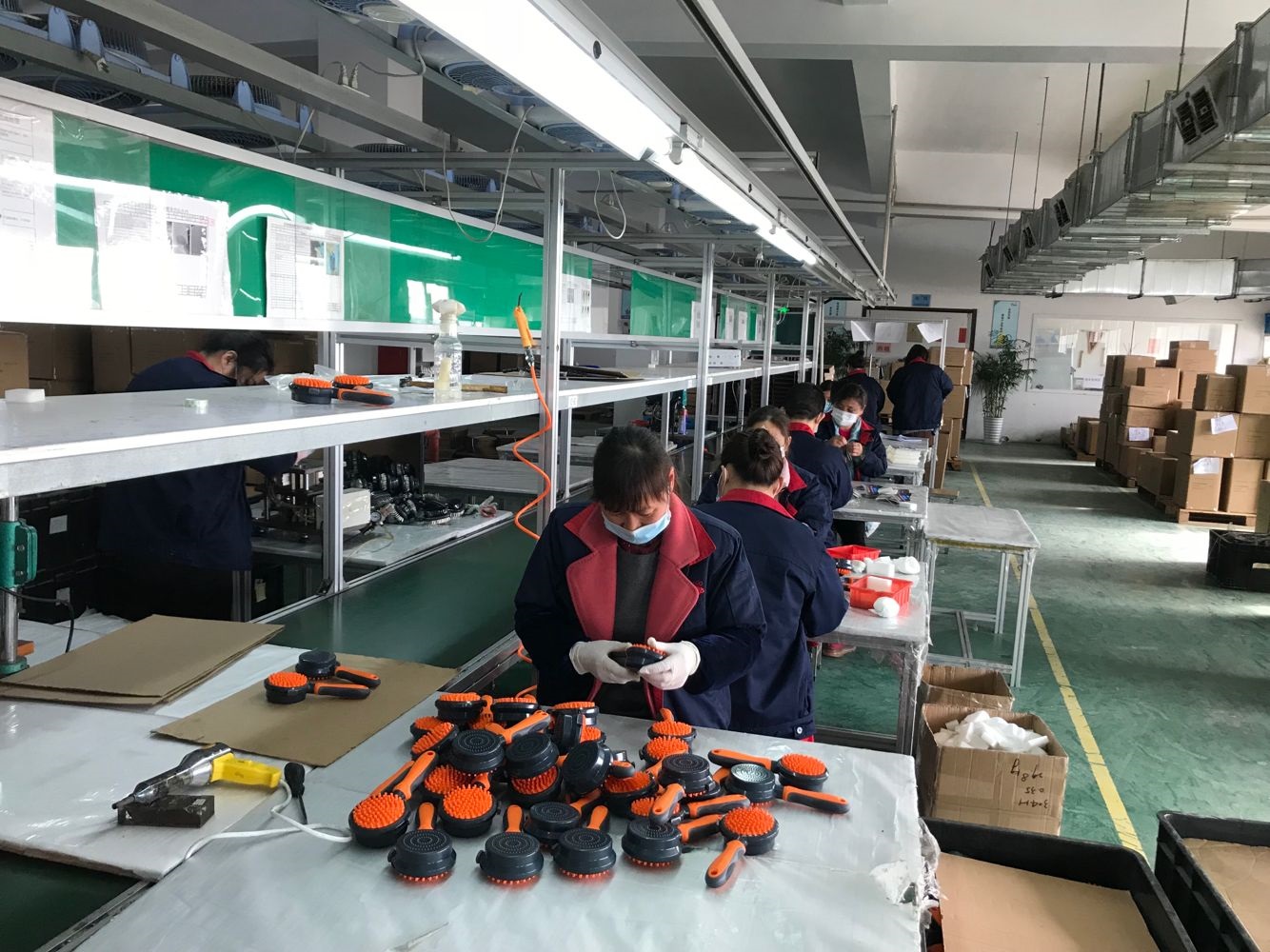
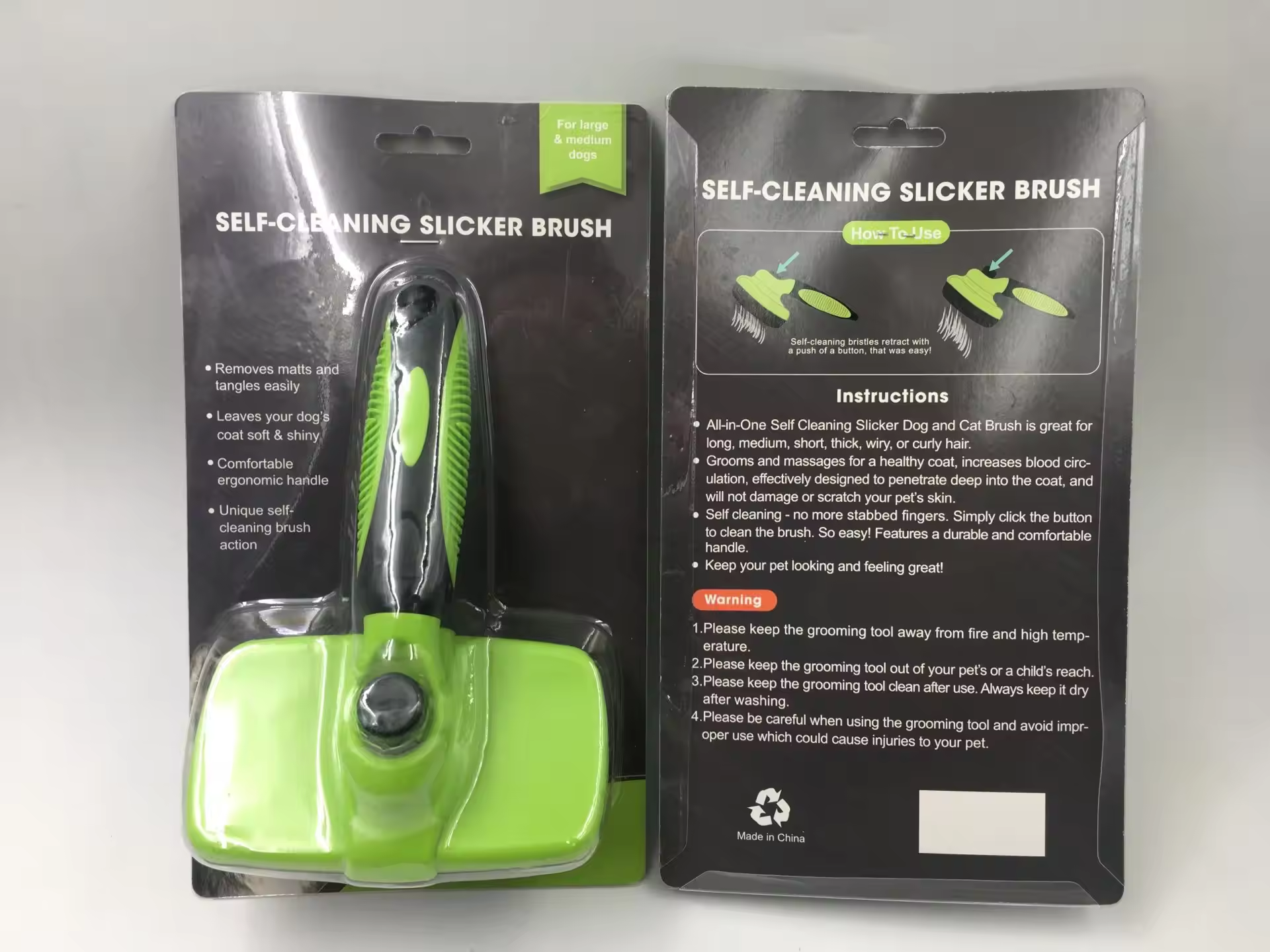
With more than 20 years of experience in pet product manufacturing and international exports, KUDI has gained extensive hands-on experience with global compliance requirements, especially for pet grooming products, dog leashes, and other pet accessories.
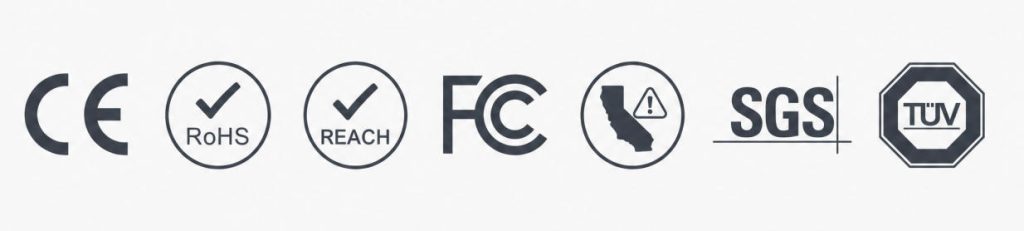
Throughout our export experience, we have supported customers with a wide range of international certifications, testing standards, and compliance requirements, including CE, RoHS, REACH, FCC, Prop 65, SGS testing, TÜV testing, and other market-specific requirements.
Based on this hands-on experience, this article shares the most common certifications, standards, and regulations that pet product manufacturers should understand when expanding into global markets.
Canada: Focus on Product Safety and Consumer Protection
Canada has strict product safety requirements designed to protect consumers and ensure product reliability. The required compliance depends heavily on the type of pet product.
CCPSA (Canada Consumer Product Safety Act)
For general consumer products such as:
- Pet toys
- Pet accessories
- Pet apparel
manufacturers and importers must ensure products comply with Canadian safety requirements.
Testing may include:
- Chemical safety
- Heavy metals
- Phthalates
- Mechanical hazards
- Flammability requirements
CSA Certification
For electrical pet products, CSA standards are widely recognized in Canada.
Common products include:
- Pet dryers
- Electric grooming tools
- Automatic feeders
- Smart pet devices
CSA testing evaluates electrical safety, performance, and product reliability.
ISED Canada Compliance
Electronic pet products with wireless functions may require compliance with Innovation, Science and Economic Development Canada (ISED) requirements.
Examples:
- Pet cameras
- GPS trackers
- Bluetooth devices
- Wi-Fi pet products
These requirements focus on:
- Radio frequency emissions
- Electromagnetic compatibility
- Wireless communication safety
United States: A Market With Multiple Compliance Requirements
The United States is one of the largest pet markets in the world, but compliance requirements can vary between federal regulations and state-specific rules.
FDA Requirements
FDA regulations may apply to:
- Pet food
- Pet supplements
- Food-contact materials
Examples:
- Stainless steel bowls
- Feeding containers
- Automatic feeders
The focus is mainly on material safety and preventing harmful substances from migrating into food.
FCC Compliance
FCC requirements apply primarily to electronic pet products.
Common examples:
- Smart pet cameras
- Automatic feeders with Wi-Fi
- GPS tracking devices
- Remote-controlled pet products
FCC compliance ensures products meet electromagnetic interference and radio frequency requirements.
UL Safety Testing
UL is one of the most recognized safety testing organizations in North America.
Although UL certification is often voluntary, many retailers and distributors prefer products with UL testing, especially for:
- Battery-powered devices
- Electrical grooming products
- Smart pet equipment
California Proposition 65 Compliance
California Proposition 65 requires businesses to provide warnings if products contain certain chemicals known to cause cancer or reproductive harm.
For pet products, testing may focus on:
- Plastics
- Coatings
- Metal components
- Rubber materials
Many international manufacturers conduct Prop 65 testing before selling products in the U.S. market.
European Union: Strong Focus on Safety and Environmental Compliance
The European Union has some of the world’s strictest product regulations.
For pet product manufacturers, the most common requirements include:
CE Marking
CE marking indicates that a product complies with applicable EU safety, health, and environmental requirements.
It commonly applies to:
- Electric pet grooming equipment
- Smart pet devices
- Electronic accessories
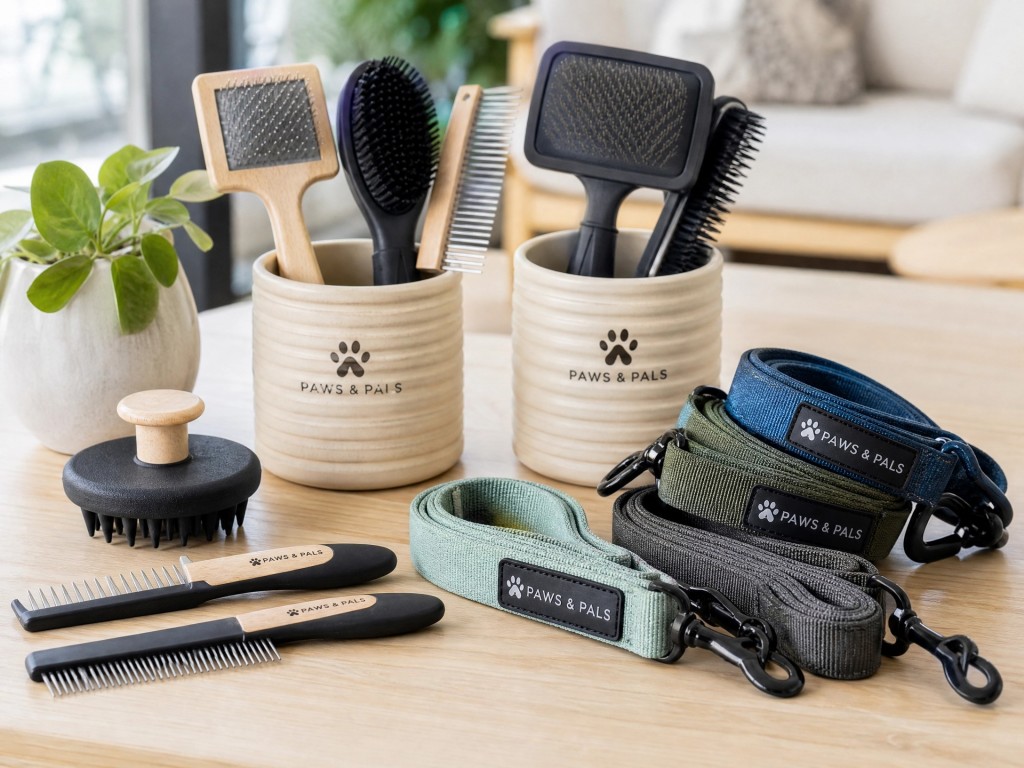
Traditional pet products such as:
- Dog brushes
- Leashes
- Non-electronic toys
usually do not require CE marking.
RoHS Compliance
RoHS restricts hazardous substances in electrical and electronic equipment.
It is commonly required for:
- Electronic pet products
- Smart devices
- Battery-powered products
Restricted substances include:
- Lead
- Mercury
- Cadmium
- Certain flame retardants
REACH Compliance
REACH regulates chemical substances used in products sold in the European market.
For pet products containing:
- Plastics
- Rubber
- Adhesives
- Coatings
- Textile materials
REACH compliance is an important consideration.
Food Contact Material (FCM) Compliance
Pet bowls and feeding products may require food-contact material testing to ensure materials are safe for repeated contact with food.
Examples:
- Stainless steel bowls
- Plastic feeders
- Automatic feeding systems
Other Important Markets
Japan
Japan has strict product safety requirements, especially for electrical products.
Common requirements include:
PSE Compliance
Applicable to certain electrical products, including some pet electronics.
JAS Standards
Relevant mainly for agricultural and food-related products.
South Korea
KC Certification
KC requirements apply to many electrical and electronic products.
For pet products, this may include:
- Smart devices
- Electric grooming tools
- Wireless products
Australia and New Zealand
RCM Compliance
RCM applies to many electrical and electronic products.
Common examples:
- Pet dryers
- Electric clippers
- Smart pet devices
It covers electrical safety and electromagnetic compatibility requirements.
Third-Party Testing and Quality Verification
Beyond market-specific regulations, international buyers often request independent testing reports to evaluate supplier reliability.
SGS Testing
SGS is one of the world’s leading inspection and testing companies.
Many pet product brands use SGS testing for:
- Material safety
- Chemical compliance
- Product quality verification
TÜV Testing
TÜV is a globally recognized German testing organization.
TÜV reports are often associated with:
- Product safety
- Engineering quality
- Reliability testing
CNAS Accredited Laboratories
CNAS accreditation demonstrates that a laboratory meets recognized testing and calibration standards. For international suppliers, CNAS-accredited test reports can provide additional confidence during supplier evaluation.
Choosing the Right Compliance Path for Your Pet Products
Not every pet product requires the same certifications.
Requirements depend on:
- Product category
- Materials
- Electrical components
- Target market
- Retailer requirements
For example:
| Product Type | Common Compliance Considerations |
|---|---|
| Dog Brush | Material safety testing, REACH, Prop 65 |
| Dog Leash | Material testing, chemical compliance |
| Pet Vacuum | CE, RoHS, electrical safety testing |
| Smart Pet Camera | FCC, CE, wireless compliance |
| Pet Bowl | Food-contact material testing |
International certifications are not just regulatory requirements — they are also a way for pet brands and manufacturers to build trust with global customers.