South Korea’s pet industry has entered a new stage of growth. Pets are no longer viewed simply as companion animals — they are increasingly considered members of the family, driving demand across food, healthcare, grooming, technology, and lifestyle services.
Supported by rising pet ownership, changing family structures, and stronger consumer spending, South Korea has become one of Asia’s most important pet markets. For global pet brands, the country represents a mature but fast-evolving market where consumers are willing to pay for higher-quality products and better pet care experiences.
Overview of the South Korean Pet Market
According to the “2025 South Korea Pet Report” published by KB Financial Group Research Institute, South Korea’s pet-related industry reached approximately 10.2 trillion Korean won (about $7.4 billion USD) by the end of 2024.
The market includes pet food, supplies, veterinary care, grooming, boarding, insurance, and other pet-related services, showing that South Korea’s pet economy has expanded beyond basic product sales into a broader lifestyle ecosystem.
South Korea is also one of Asia’s leading pet consumption markets, with average spending per pet owner ranking among the highest in the region, behind Japan. Combined with strong consumer purchasing power and growing pet humanization, this makes South Korea an attractive market for international pet brands.
The market growth is mainly driven by two major factors:
Growing pet ownership:
According to KB Financial Group, South Korea has approximately 5.91 million pet-owning households, representing around 15.46 million people. Pets have become an increasingly important part of everyday life, especially among urban families, single-person households, and older adults.
Higher spending on pet care:
Consumers are moving beyond basic feeding and are investing more in nutrition, healthcare, grooming, and products that improve their pets’ overall quality of life.
South Korea’s Changing Pet Culture
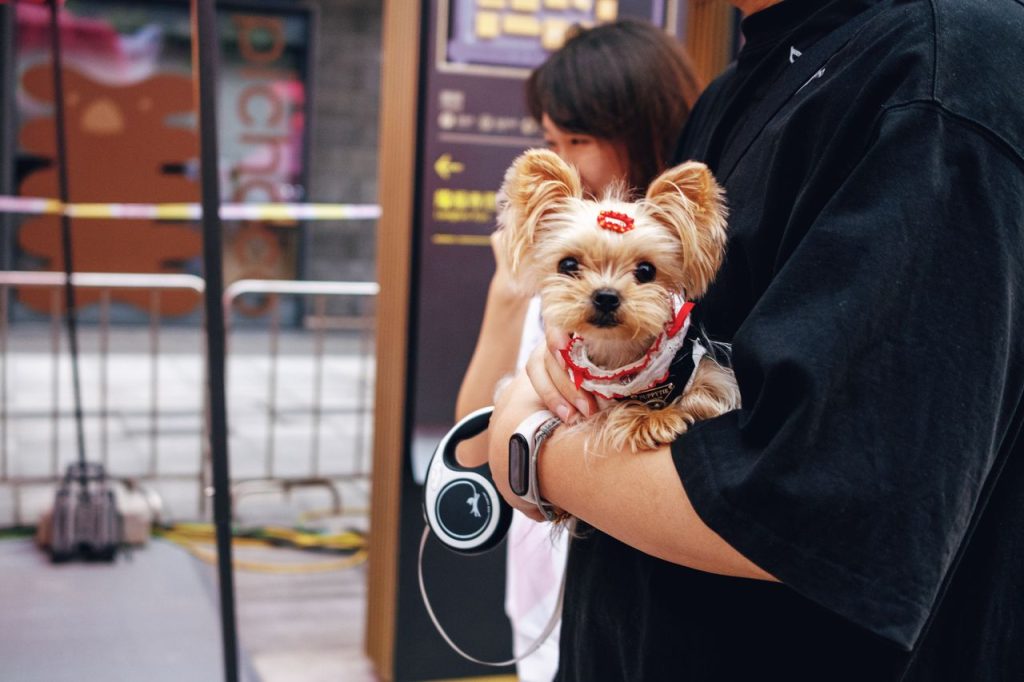
South Korea’s relationship with pets has changed significantly over the past decade.
As the country experiences declining birth rates and an increase in single-person households, pets are becoming an important source of companionship. In major cities such as Seoul, it is increasingly common to see owners treating dogs and cats as family members — from buying premium food to using pet strollers and specialized services.
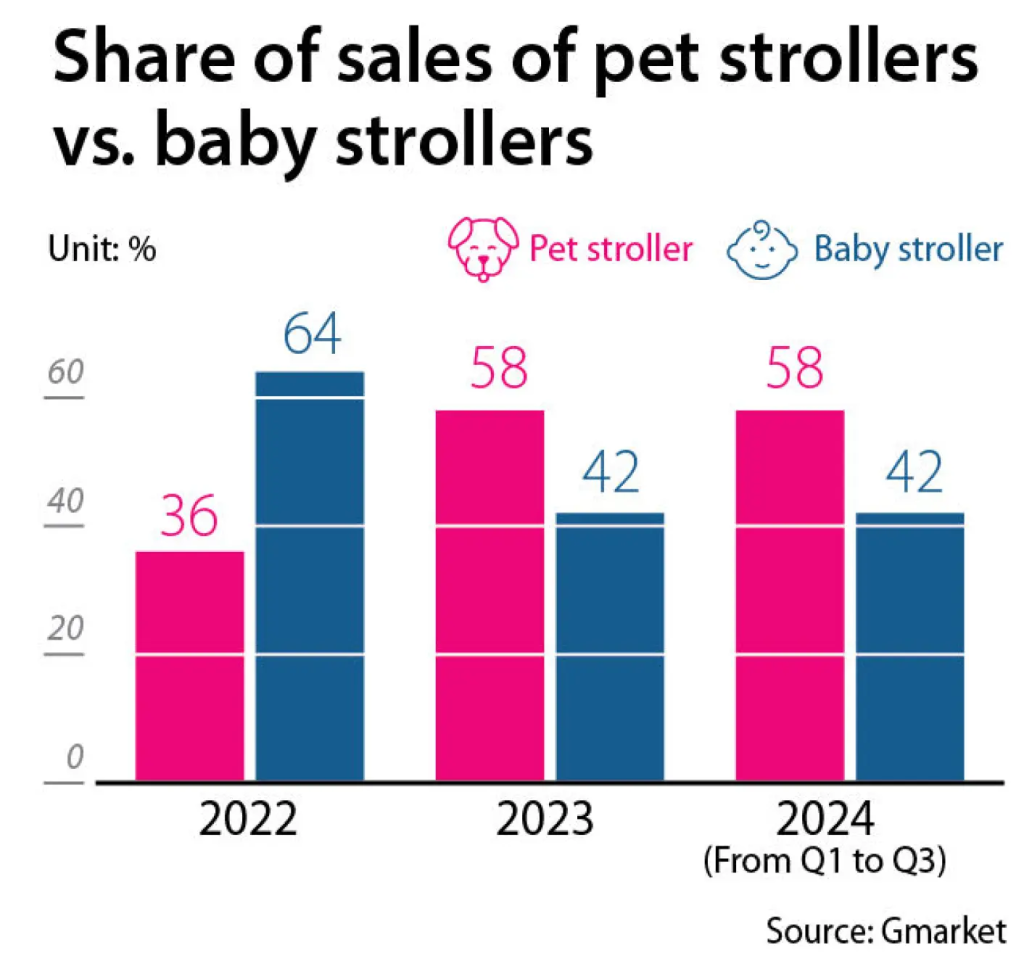
This shift is also visible in everyday consumer behavior. According to Korea JoongAng Daily, sales of pet strollers in South Korea surpassed baby strollers for the first time, with pet strollers accounting for 58% of total stroller sales in 2024 through the third quarter. The trend reflects how pets are increasingly integrated into family life, with many owners investing in products designed to improve their pets’ comfort and daily experiences.
Pet Owner Demographics and Market Evolution
South Korea’s total population reached approximately 51.66 million in 2025. According to the 2025 South Korea Pet Report, around 15.46 million people owned pets by the end of 2024, accounting for nearly 30% of the population.
The number of pet-owning households reached 5.91 million, representing approximately 26.7% of all households in South Korea.
Pet ownership is concentrated in major metropolitan areas:
- Gyeonggi Province: approximately 1.57 million households
- Seoul: approximately 1.13 million households
- Seoul, Gyeonggi, and Incheon together account for 51.7% of all pet-owning households
The type of pets kept in Korea is also changing. While dogs remain the most common companion animal, cat ownership is growing rapidly.
| Pet Type | 2023 | 2024 | Change |
|---|---|---|---|
| Dogs | 5.56 million | 5.46 million | -1.7% |
| Cats | 1.90 million | 2.17 million | +9.2% |
The rapid growth of cat ownership reflects broader lifestyle changes, as cats are often better suited to apartment living and busy urban lifestyles.
E-commerce Channels and Retail Development

By 2025, South Korea’s pet retail market had developed into an online-driven, offline-supported omnichannel ecosystem.
Online channels account for approximately 69% of pet product purchases, rising significantly from previous years. E-commerce has become the preferred purchasing method for frequently purchased items such as food, litter, and grooming supplies.
Online Channels
Major platforms include:
- Coupang
- Naver Shopping
- Gmarket
- 11st
Coupang dominates high-frequency pet product purchases through its fast delivery network, while Naver Shopping plays an important role in brand discovery through search traffic, reviews, and official brand stores.
Younger pet owners increasingly rely on online shopping to compare products, read reviews, and reorder regularly.
Offline Retail
Offline channels remain important for categories requiring expertise and personal interaction, including veterinary care, grooming, premium food, and specialty products.
Rather than competing directly with e-commerce, offline retailers are evolving toward a “product + service” model, offering consultation, grooming, and personalized experiences.
South Korea’s Segmented Pet Product Market
South Korea’s pet industry is becoming increasingly diversified. While pet food remains the largest category, growth is expanding into healthcare, smart products, grooming, and lifestyle services as owners spend more on improving their pets’ quality of life.
1. Pet Food: The Largest and Most Mature Segment
Pet food remains the largest category in South Korea’s pet market. In 2024, the South Korean pet food market was valued at approximately $1.2 billion, and it is projected to reach around $1.8 billion by 2029, with a compound annual growth rate (CAGR) of about 8.4%.
Market Structure
Traditional dry and wet food products continue to dominate sales, but higher-value categories are growing faster, including:
- Freeze-dried food
- Premium treats
- Functional nutrition products
- Specialty diets for digestive, skin, coat, and joint health
Key Trends
Driven by the rise of pet humanization, Korean consumers increasingly view pet food as an investment in their pets’ long-term health rather than a basic necessity.
Products featuring:
- Natural ingredients
- High-protein formulas
- Grain-free recipes
- Functional benefits
are gaining popularity among health-conscious pet owners.
Premium imported brands continue to compete with local Korean manufacturers, while domestic companies are strengthening their positions through localized formulas and online sales strategies.
2. Pet Healthcare: From Treatment to Preventive Care
Pet healthcare is becoming one of the fastest-growing areas within South Korea’s pet economy.
As pets live longer and owners become more health-conscious, spending is shifting from emergency treatment toward preventive healthcare and long-term wellness management.
The South Korean pet healthcare market was estimated at approximately $218 million in 2024, with steady growth between 2019 and 2024.
Growth Areas
Key categories include:
- Nutritional supplements
- Dental care products
- Joint health products
- Senior pet wellness products
- Preventive health services
Market Trend
Korean pet owners are increasingly willing to invest in advanced veterinary services, including health screenings, specialized treatments, and chronic disease management.
As the number of senior pets grows, healthcare is becoming a key driver of future pet market growth.
3. Pet Supplies and Smart Products: Moving Toward Premiumization
South Korea’s pet supplies market is shifting from basic necessities toward products focused on convenience, design, and lifestyle improvement.
Although detailed category-level sales data is limited, the 2025 South Korea Pet Report by KB Financial Group shows that Korean pet owners are increasingly spending on products that enhance their pets’ daily experiences.
Growing Product Categories
Popular growth areas include:
- Smart litter boxes
- Automatic feeders
- Pet cameras
- Vacuum Grooming tools
- Cleaning products
- Outdoor and travel accessories
Key Trends
Urban lifestyles are strongly influencing product demand. Because many Korean households live in apartments, consumers prefer products that are:
- Space-efficient
- Easy to use
- Technology-enabled
- Aesthetically designed
This has created opportunities for premium pet brands offering innovative and well-designed products.
4. Pet Services: Expanding Beyond Product Consumption
South Korea’s pet economy is gradually moving from product-based consumption toward experience and lifestyle services.
According to the 2025 South Korea Pet Report, pet owners are increasingly focused on the entire pet life cycle, including health management, daily care, recreation, and senior care.
Growing Service Categories
Emerging areas include:
- Pet grooming
- Pet boarding
- Training services
- Pet hotels
- Pet-friendly travel experiences
Market Trend
As pets become viewed as family members, owners are increasingly willing to pay for services that improve their pets’ comfort and well-being.
This shift is transforming the pet industry from simply selling products into providing complete lifestyle solutions.
New Trends in the South Korean Pet Market
1. Premiumization and Higher Spending on Pet Quality of Life
South Korea’s pet market is becoming increasingly premium.
Consumers are no longer focused only on basic needs; they are willing to spend more on products that support their pets’ health, comfort, and happiness.
Premium Pet Food Growth
Demand is increasing for:
- Organic ingredients
- Grain-free formulas
- Functional nutrition
- Age-specific diets
- Health-focused products
According to KB Financial Group’s 2025 South Korea Pet Report, the average monthly spending per pet-owning household reached approximately 194,000 Korean won (around $140 USD) in 2024, up from 154,000 Korean won in 2023, representing a year-over-year increase of about 26%.
This increase reflects a broader shift from “pet ownership” toward “pet parenting,” with owners treating pets as family members.
2. Healthcare, Aging Pets, and Long-Term Care
As South Korean pets live longer, healthcare and senior care are becoming increasingly important market opportunities.
Rising Demand for Advanced Care
Pet owners are showing greater interest in:
- Advanced health screenings
- Specialized veterinary services
- Cancer treatment
- Chronic disease management
Senior Pet Market Growth
Older pets are creating new demand for:
- Senior pet nutrition
- Joint supplements
- Mobility support products
- Long-term care services
- Pet funeral and memorial services
The market is gradually moving from reactive treatment toward proactive health management throughout a pet’s entire life cycle.
3. Growth of Service-Based Pet Consumption
South Korea’s pet market is expanding beyond products into lifestyle services.
Pet Care Services
The growth of single-person households and busy urban lifestyles is increasing demand for:
- Pet daycare
- Pet hotels
- Boarding services
- Professional grooming
These services provide solutions for owners who need reliable care while working or traveling.
Humanized Pet Experiences
Pet owners are also spending more on emotional and lifestyle-related services, including:
- Professional pet photography
- Customized accessories
- Behavioral training
- Pet-friendly cafes and travel
These trends highlight the growing role of pets as family members rather than traditional companion animals.
Conclusion: South Korea’s Pet Economy Enters a New Growth Phase
South Korea’s pet market is moving beyond simple ownership growth and entering a stage of premiumization, specialization, and lifestyle integration.
Driven by:
- Increasing pet ownership
- Higher consumer spending
- Urban lifestyle changes
- Growing demand for health and wellness
the market is creating opportunities across food, healthcare, supplies, technology, and services.
For international pet brands, South Korea offers a mature yet innovative market where consumers are not only looking for products — they are looking for better ways to care for their pets.