From early grooming tools to today’s specialized designs, dog brushes have evolved significantly. Creating a high-quality dog brush now requires careful design, suitable materials, and advanced manufacturing processes.
Producing a reliable grooming brush involves multiple stages, including product design, material selection, mold development, precision assembly, and quality testing.
For pet brands, retailers, and distributors, understanding how dog brushes are made can provide valuable insight into what makes a grooming product durable, comfortable, and effective.
In this article, We’ll take a closer look at the complete dog brush manufacturing process.
1. From Product Idea to Production: Where Every Dog Brush Begins
Every dog brush starts with understanding the needs of pet owners and their dogs.
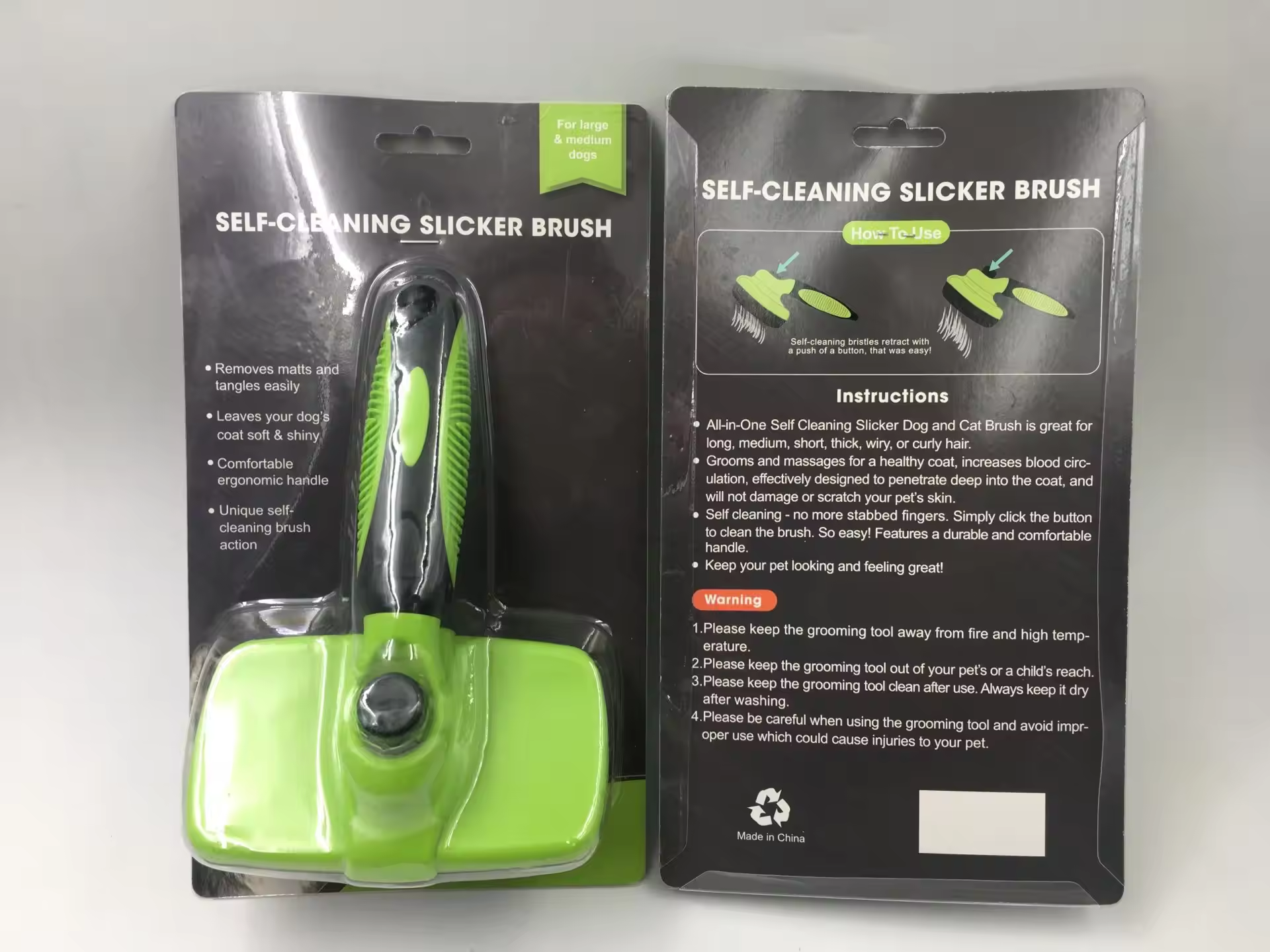
Different dogs have different grooming requirements. A brush designed for a short-haired dog has different features from one created for long-haired breeds with thick double coats. At KUDI, product development often begins with listening to real customer feedback. While studying reviews from pet owners on platforms such as Amazon, we noticed a common frustration: after grooming, loose hair often became trapped between the brush pins, making the brush difficult to clean. This feedback inspired the development of a self-cleaning slicker brush with a one-button hair removal mechanism, allowing users to quickly release collected fur after each grooming session.
Before production begins, our team evaluates several factors, including:
- Coat types and grooming needs
- Product functions
- User feedback
- Market trends
- Target customer requirements
Real-world feedback plays an important role in improving brush designs and creating grooming tools that better solve everyday problems for pet owners.
Prototype Development with 3D Printing
Before investing in molds, KUDI often creates prototypes using 3D printing technology to evaluate product designs and make necessary improvements.
A 3D-printed prototype allows engineers and designers to test important details, including:
- Overall shape and appearance
- Handle ergonomics and grip comfort
- Brush head structure
- Assembly design
- User experience
Based on prototype testing, design adjustments can be made before moving into mold development and mass production. This helps reduce development risks and ensures the final dog brush meets both functional and quality requirements.
Mold Development
After the prototype has been approved, the next step is building the production mold.
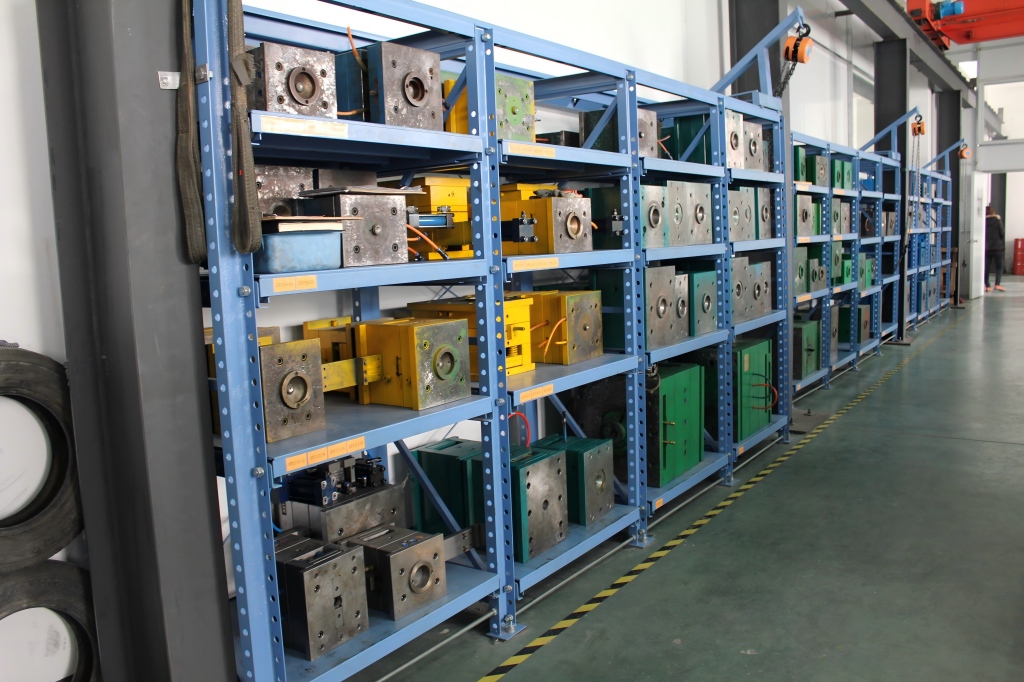
Creating a mold is a significant investment because it directly affects the accuracy, appearance, and consistency of every dog brush that comes off the production line. Even small imperfections in the mold can lead to visible defects or inconsistent product quality.
At KUDI, mold design is carefully reviewed before production begins to ensure every component fits together correctly and can be manufactured efficiently at scale. Once the mold is approved, it can be used to produce thousands of identical parts with consistent quality.
2. Choosing the Right Materials for Dog Brushes
Why do quotations for seemingly similar dog brushes vary so much?
Both manufacturing processes and material selection have a significant impact on the final cost of a dog brush.
Differences in plastic grades, stainless steel quality, rubber components, and bristle materials can all affect the final quotation.
Choosing the right materials is always a balance between cost, product positioning, and customer expectations. That’s why manufacturers often recommend different material combinations based on the target market and budget.
Handle Materials
ABS Plastic
ABS plastic is widely used for dog brush handles because it provides:
- Strong impact resistance
- Lightweight construction
- Easy color customization
- Long-lasting durability
It is a popular choice for many everyday grooming tools.
Polypropylene (PP)
PP plastic is another commonly used material in dog brush manufacturing.
Its advantages include:
- Good durability
- Chemical resistance
- Lightweight structure
- Cost efficiency
PP provides a practical balance between performance and manufacturing cost.
TPR Rubber
Many premium dog brushes include TPR rubber grips.
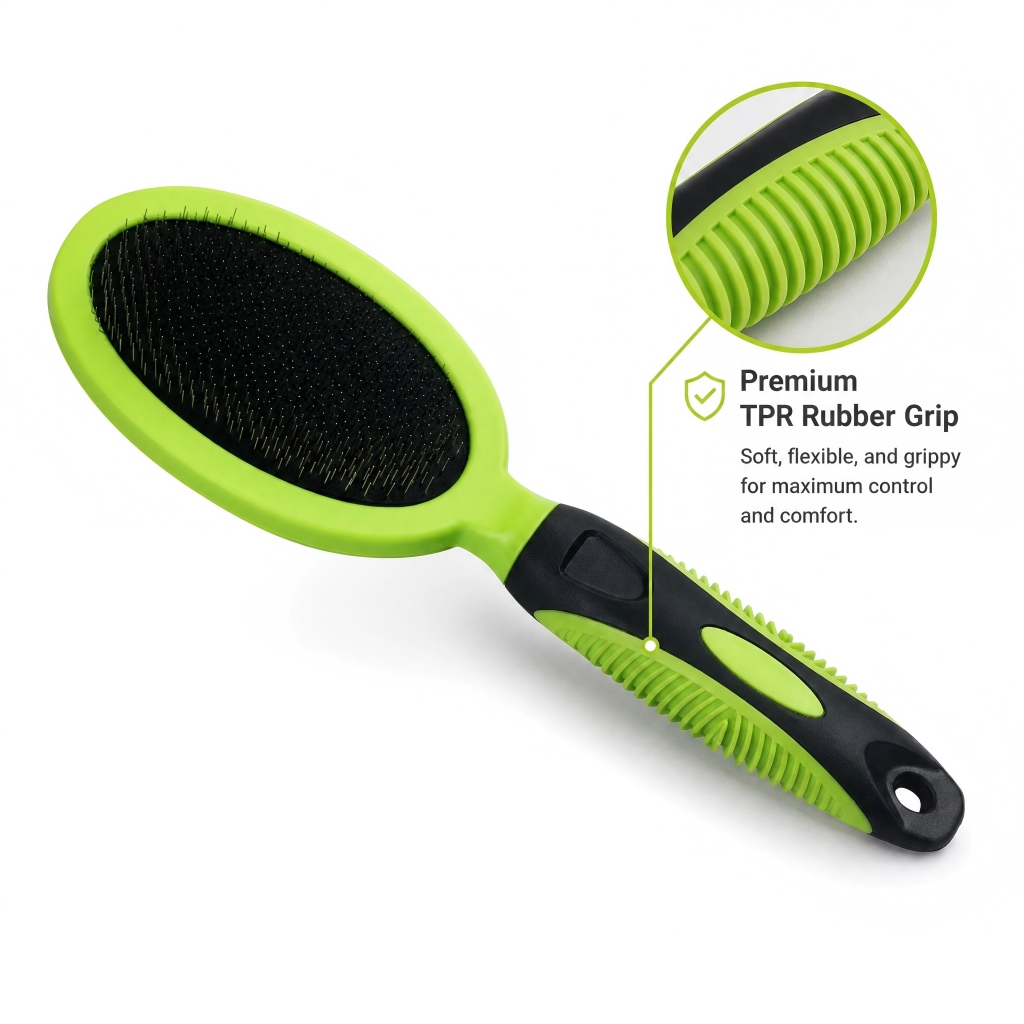
TPR helps provide:
- A softer hand feel
- Better grip control
- Reduced slipping during grooming
A comfortable handle makes regular brushing easier, especially during longer grooming sessions.
Brush Pin and Bristle Materials
Different grooming functions require different brush materials.
Stainless Steel Pins
Stainless steel pins are commonly used in:
- Slicker brushes
- Pin brushes
- Deshedding tools
They offer:
- Excellent durability
- Rust resistance
- Effective penetration through thick coats
The length, angle, spacing, and flexibility of the pins all influence grooming performance.
Nylon Bristles
Nylon bristles are often used for:
- Removing loose hair
- Smoothing the coat
- Distributing natural oils
They are commonly found in everyday grooming brushes.
Natural Bristles
Natural bristles are used in some premium grooming brushes.
They are suitable for:
- Coat smoothing
- Adding shine
- Gentle daily grooming
3. Injection Molding: Creating the Dog Brush Body
For most plastic dog brushes, injection molding is a key manufacturing process.
The process includes:
- Creating a precision mold based on the product design
- Heating plastic materials until they become molten
- Injecting the melted material into the mold
- Cooling and forming the plastic components
- Removing the finished parts from the mold
High-quality molds help ensure:
- Consistent product dimensions
- Smooth surface finishes
- Stable production quality
Professional manufacturers invest heavily in tooling because mold accuracy directly affects the final product.
4. Installing Pins and Bristles: Creating the Grooming Function
After the plastic components are produced, manufacturers install the functional grooming parts.
Different brush types require different assembly methods.
How Slicker Brushes Are Made
Slicker brushes usually include:
- A flexible brush pad
- Stainless steel pins
- A molded plastic handle
During production, manufacturers carefully control:
- Pin placement
- Pin density
- Pin flexibility
- Attachment strength
These details determine how effectively the brush removes loose hair and tangles.
How Deshedding Brushes Are Made
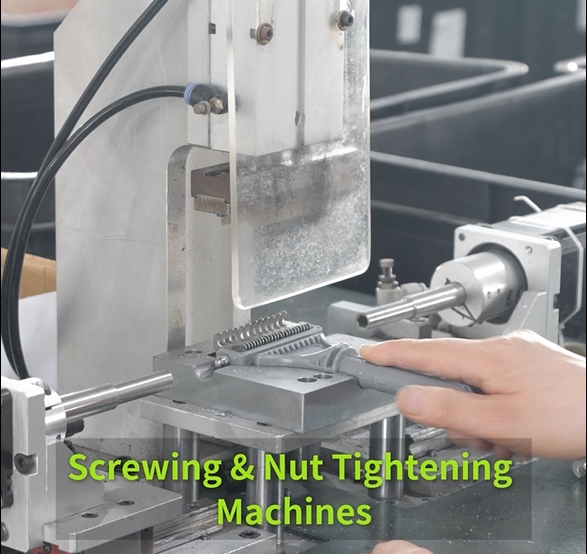
Deshedding brushes require precise manufacturing because they are designed to remove loose undercoat hair.
Manufacturers focus on:
- Blade or edge precision
- Safety finishing
- Secure attachment
- Comfortable handling
A well-designed deshedding tool should remove excess hair while minimizing discomfort.
How Pin Brushes Are Made
Pin brushes typically include:
- Plastic or metal pins
- Protective tips
- Carefully arranged spacing
They are designed for:
- Daily grooming
- Removing loose fur
- Maintaining coat condition
5. Assembly, Customization, and OEM Dog Brush Production
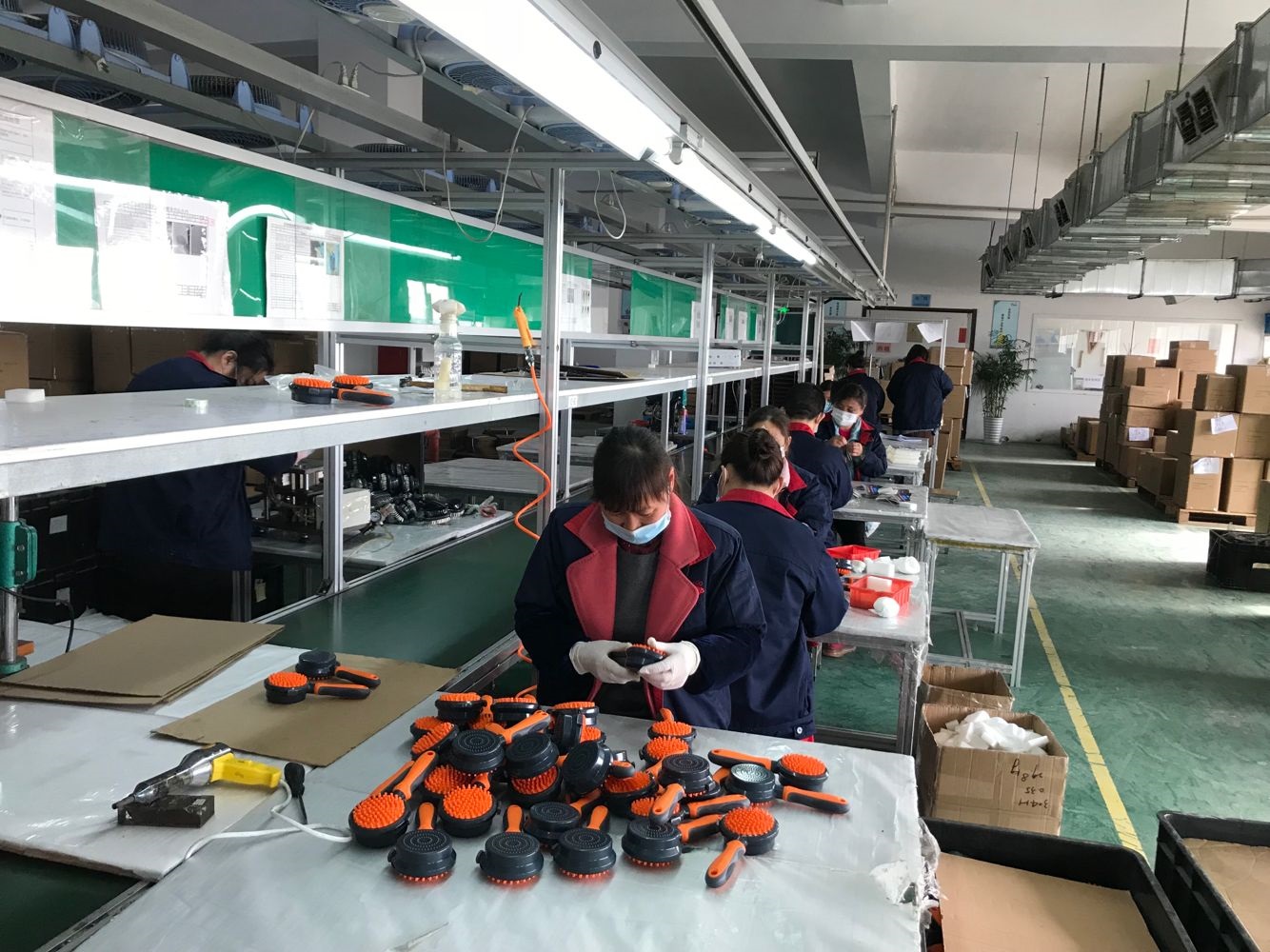
After all individual components are ready, manufacturers begin final assembly.
Typical assembly steps include:
- Installing brush heads
- Attaching handles
- Adding rubber grips
- Applying brand logos
- Inspecting finished products
For pet brands developing their own grooming products, manufacturers often provide OEM and private label services.
Customization options may include:
- Custom colors
- Logo printing
- Laser engraving
- Custom packaging
- Product design modifications
These services allow brands to create unique dog grooming products that match their market positioning.
6. Quality Control: Ensuring Reliable Dog Brush Performance
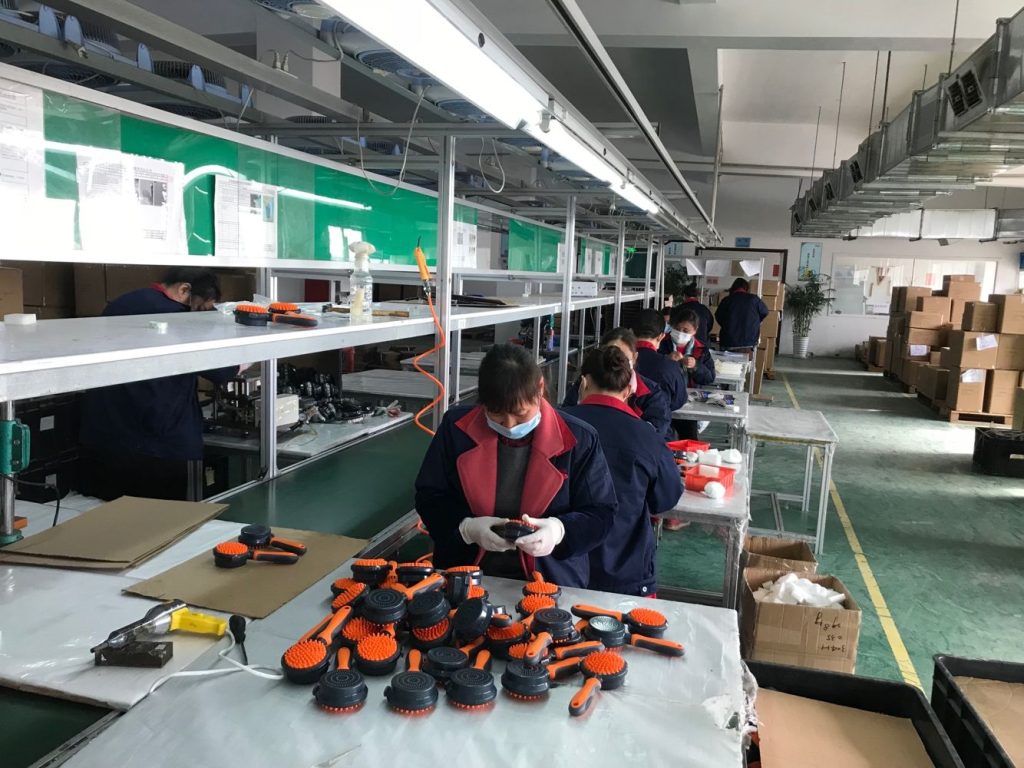
Quality control is a critical part of professional dog brush manufacturing.
Before products are shipped, manufacturers inspect several areas.
Appearance Inspection
Manufacturers check for:
- Surface defects
- Scratches
- Color differences
- Assembly problems
Safety and Durability Testing
Testing may include:
- Pin attachment strength
- Handle durability
- Edge smoothness
- Overall product safety
Functional Testing
Manufacturers evaluate:
- Hair removal performance
- Brush flexibility
- Grooming effectiveness
A reliable quality control system helps ensure consistent quality across production batches.
Although a dog brush appears to be a simple grooming accessory, producing a reliable product requires careful engineering, material selection, precision manufacturing, and strict quality control.
For pet brands, retailers, and distributors, partnering with an experienced dog brush manufacturer can help create high-quality grooming products that meet market expectations.
From the initial product concept to final packaging, every manufacturing decision plays a role in creating grooming tools that dogs and their owners can rely on.
Frequently Asked Questions About Dog Brush Manufacturing
Brush components may loosen because of:
Poor material selection
Weak attachment methods
Manufacturing defects
Insufficient durability testing
Professional manufacturers reduce these issues by using reliable materials, improving production processes, and performing strict quality inspections.
Yes.
A dog brush’s performance depends on several factors:
Pin design
Bristle type
Brush density
Handle ergonomics
Overall structure
A professional manufacturer must balance grooming effectiveness, pet comfort, product durability, and production reliability.
Not necessarily.
The best dog brush depends on the dog’s coat type and grooming requirements.
Soft bristles are often suitable for:
Short-haired dogs
Daily grooming
Coat finishing
Dogs with long hair, thick coats, or heavy shedding may require stronger pins or specialized deshedding tools.
The best brush is not always the softest one — it is the one designed for the specific grooming purpose.