Bringing a dog into your life is exciting, but taking care of them goes beyond just belly rubs and treats. Regular grooming is an important part of keeping your furry friend clean, healthy, and happy.
If you’re a new pet parent and not sure where to start, don’t worry—we’ve got you covered with this simple step-by-step guide to basic dog grooming at home.
Start with a Slicker Brush

A great first step to remove loose fur and tangles
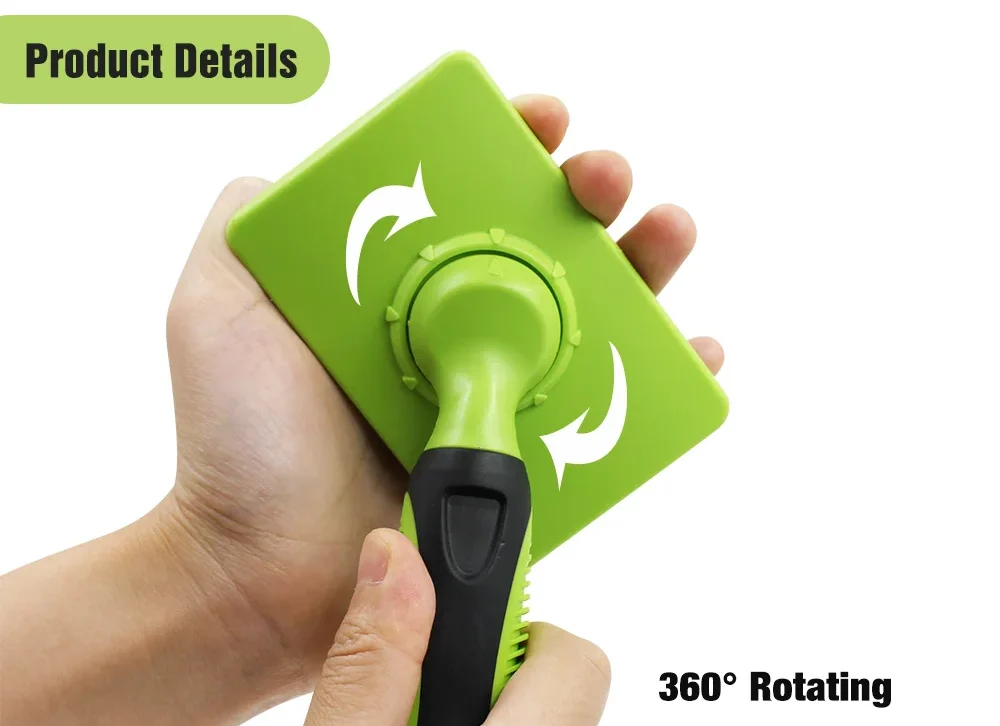
Before anything else, brush your dog’s fur using a slicker brush (the kind with thin, bent wire bristles). This helps remove dead hair and tangles while making the coat look smooth and shiny.
Tip: Brushing regularly also improves circulation and keeps your dog’s skin healthy
Use a Comb to Catch Leftover Tangles

Make sure the coat is fully detangled before bathing
After brushing, go over your dog’s coat with a metal grooming comb. This helps catch any mats you missed earlier.
Detangling before a bath is crucial—wet tangles are harder to remove and can cause pain.
💡 Got stubborn mats? Try a dematting tool for gentle removal.
Bath Time Basics
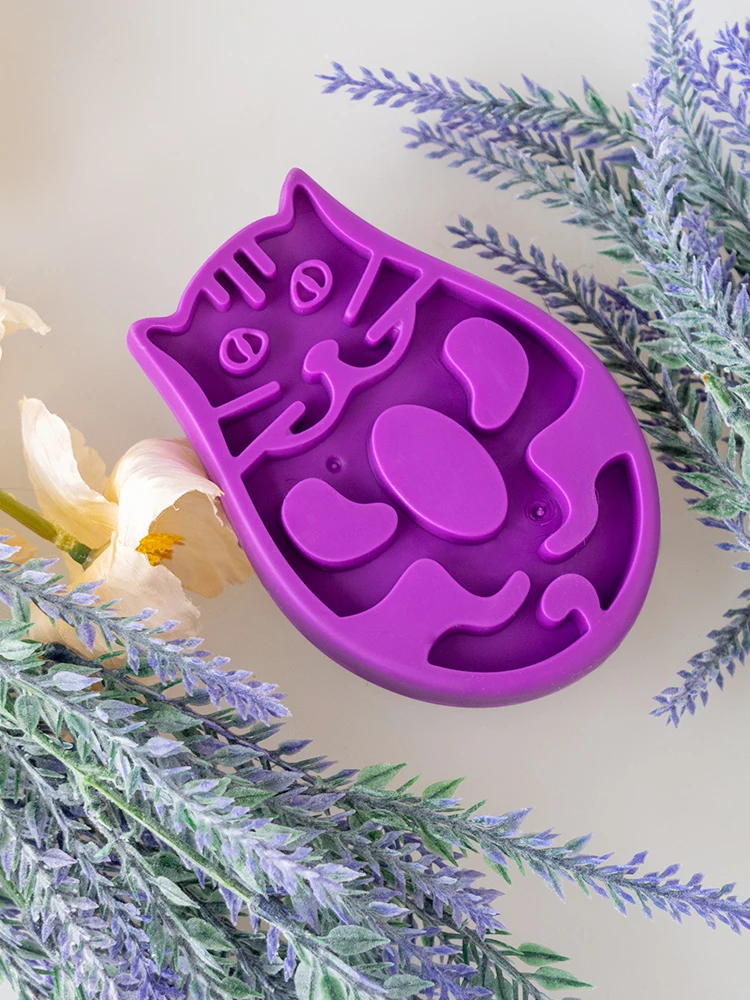
Keep it clean—but not too often!
When it’s bath time, use a dog-friendly shampoo that matches your pup’s coat type. Keep the water lukewarm (95–113°F or 35–45°C).
- Long-haired dogs: once a week
- Short-haired dogs: every 2–3 weeks
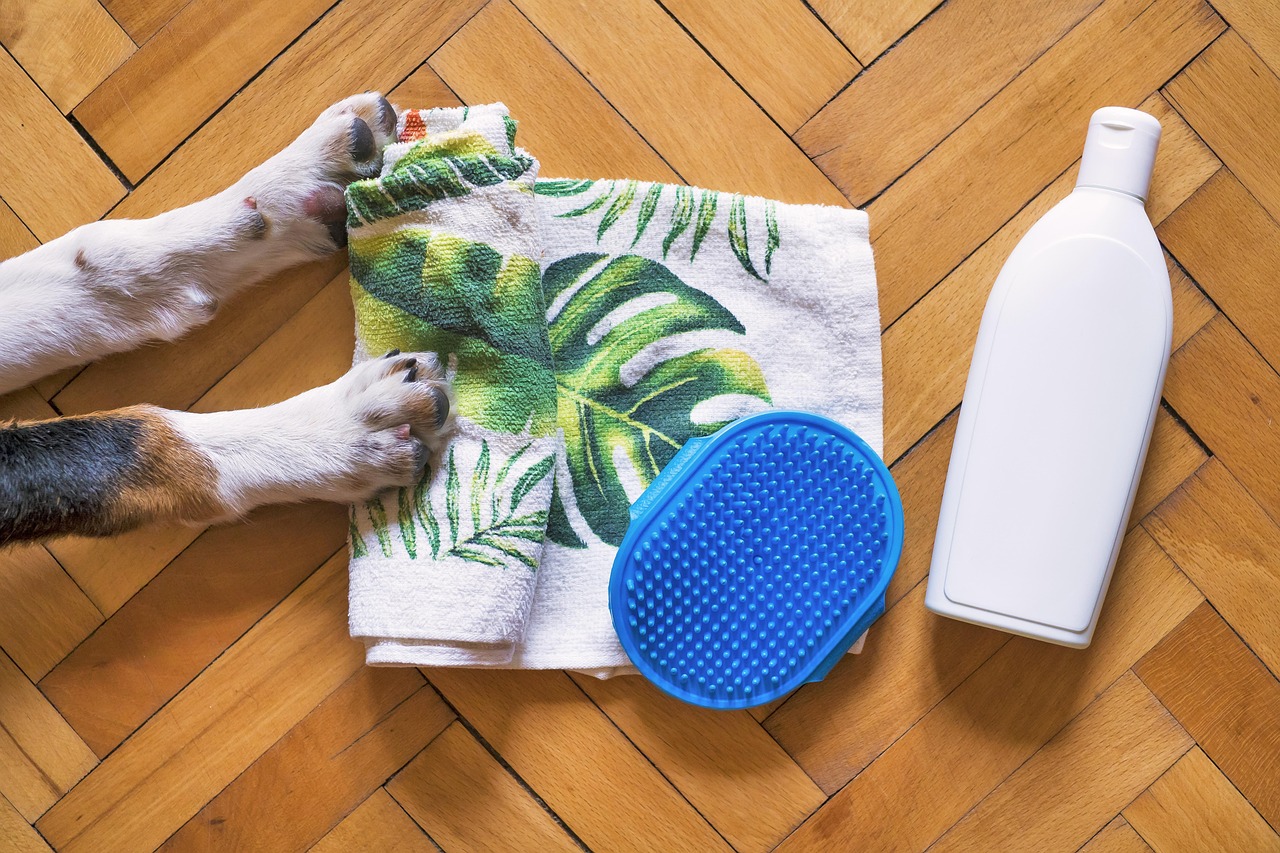
Using a rubber bath brush helps clean more thoroughly and gives your dog a gentle massage.
Towel Dry and Blow Dry
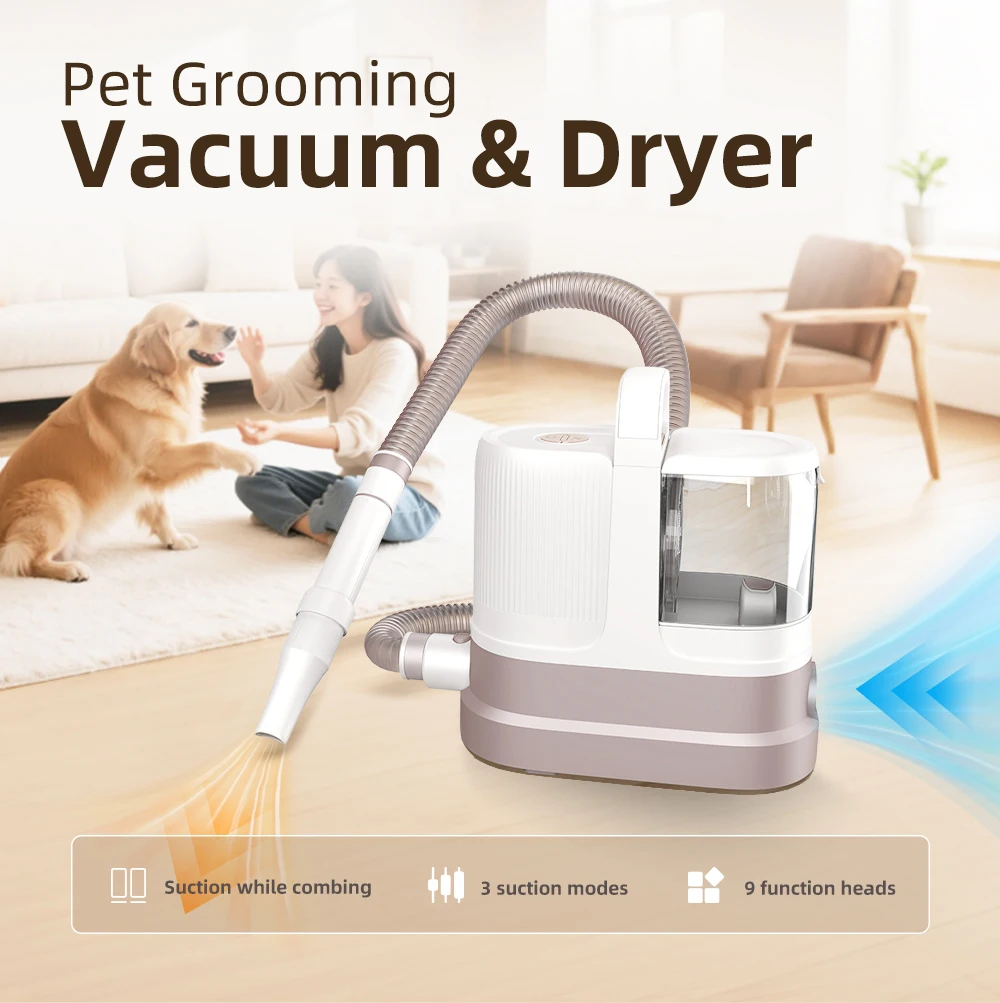
No wet dog smell here!
After the bath, wrap your dog in a super absorbent towel. Then use a blow dryer on low or medium heat to finish drying.
Brush gently while blow-drying to avoid tangles and make the coat fluffy.
Trim Those Nails
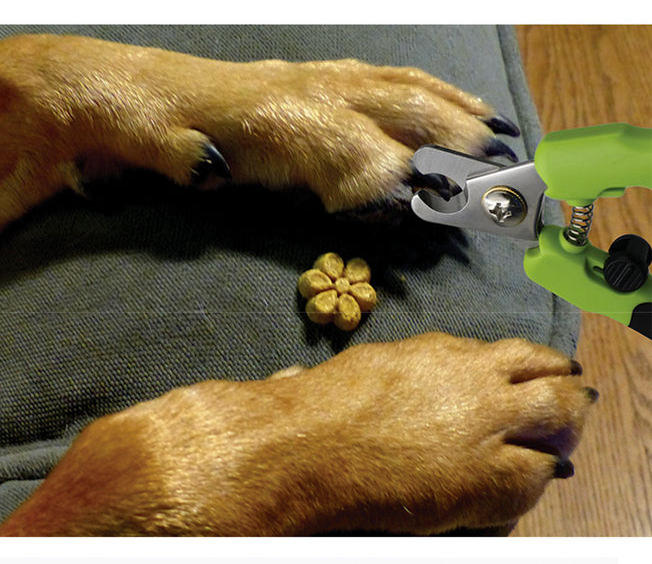
Don’t let nails get too long—it can be painful!
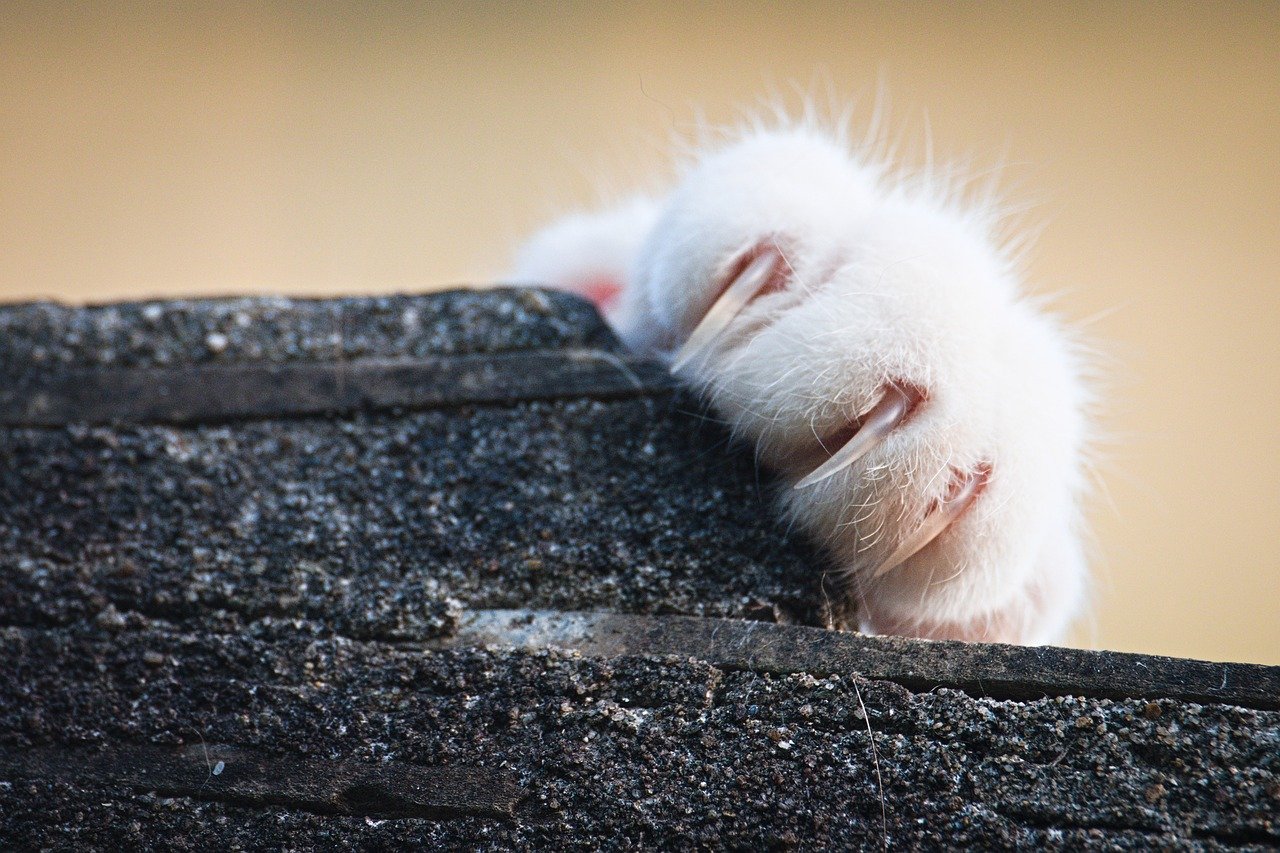
Too-long nails can make it hard for dogs to walk and may affect their bone alignment. In severe cases, nails may grow into paw pads.
Use pet nail clippers, and don’t cut too deep—avoid hitting the quick, which will bleed and hurt.
Clean the Eyes and Ears

Prevent infections before they start
Check your dog’s eyes regularly. If there’s discharge or they keep rubbing their face, clean gently with a damp cloth.
For ears, watch out for head shaking, scratching, or foul odors. These are signs of infection. Use a vet-approved cleaner for regular maintenance.
Trim the Fur (When Needed)
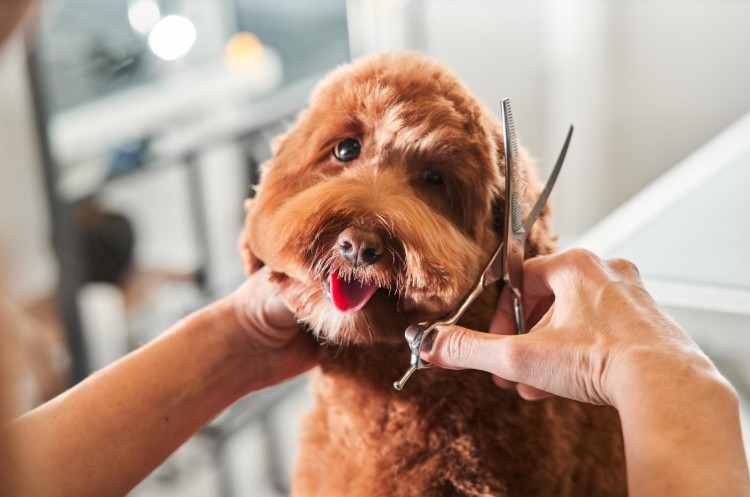
Especially around the rear, paws, and belly
Even though dogs groom themselves, many breeds need help with certain areas.
- Trim hair near the rear to avoid mess after potty time
- Cut extra fur on paws to prevent slipping
- Keep belly and leg fur neat to reduce dirt buildup
Consider a professional groomer for regular trims—or learn to do it yourself at home.
Final Tip: Ask a Vet or Groomer for Help
It’s okay to ask questions!
If you’re just starting out, take your time. Use tools designed for dogs, and don’t hesitate to ask your vet or local groomer for help with things like nail trimming or ear cleaning.
Once you find your routine, grooming can become a bonding time you and your dog both enjoy.