There are plenty of dog brushes on the market, but the best one isn’t necessarily the most expensive or the one with the fanciest design. It all comes down to your dog’s coat type.
The right brush makes grooming easier, keeps your dog’s coat healthy, and helps prevent painful tangles and excessive shedding. The wrong one, on the other hand, can make brushing uncomfortable for both you and your dog.
In this article, you’ll learn how to choose the right brush based on your dog’s coat type, what each type of brush is designed to do, and what features to look for when buying one.
Why the Right Dog Brush Matters
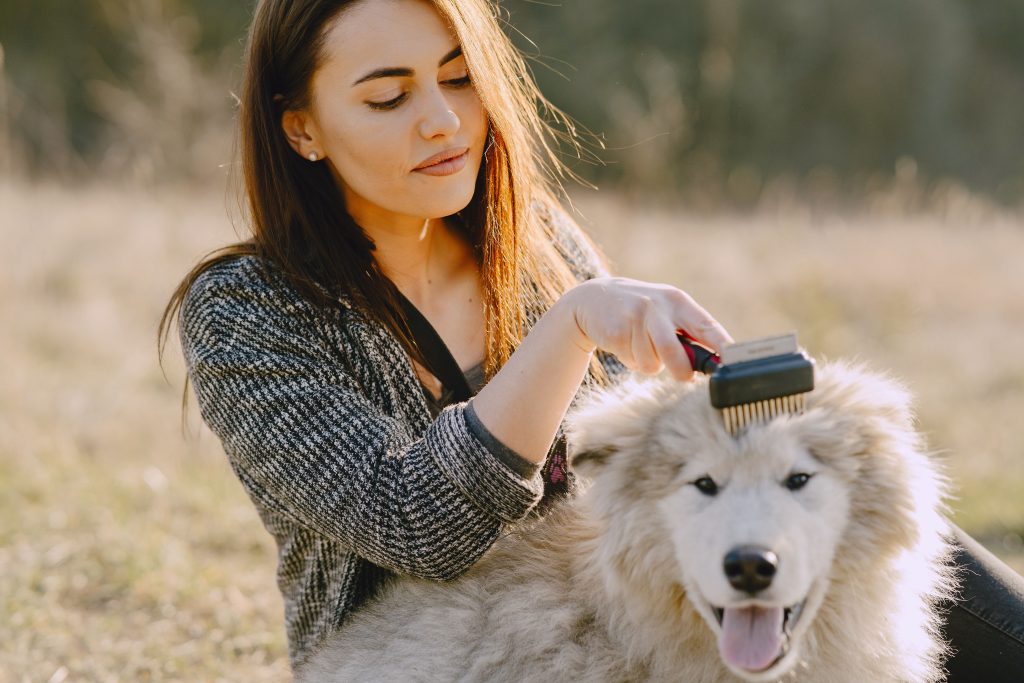
Brushing does much more than remove loose hair. It helps distribute your dog’s natural skin oils, keeps the coat clean and healthy, reduces shedding around the house, and gives you a chance to check for skin problems, parasites, or small injuries before they become bigger issues.
Using the wrong brush, however, can have the opposite effect. A brush that’s too harsh may tug at the coat, irritate the skin, or even break healthy hair. If brushing becomes uncomfortable every time, many dogs will start resisting grooming altogether.
The good news? Choosing the right brush is much easier once you understand your dog’s coat.
The Golden Rule: Match the Brush to Your Dog’s Coat Type
No single brush works well for every dog.
A Chihuahua, a Golden Retriever, and a Poodle all have completely different coats, so they naturally need different grooming tools. Choosing a brush based on your dog’s coat—not simply their breed—is the easiest way to make grooming more effective and comfortable.
Here’s what works best for each coat type.
Short & Smooth Coats
Common Breeds: Chihuahuas, Pit Bulls, Greyhounds
Common Challenges
Short-coated dogs may look low-maintenance, but they still benefit from regular brushing.
Because they have little or no undercoat, their skin is more exposed than that of many other breeds. Their biggest grooming challenge isn’t tangles—it’s removing those tiny, stubborn hairs that seem to end up everywhere without irritating the skin.
Choosing a gentle brush is the key.
Recommended Tools
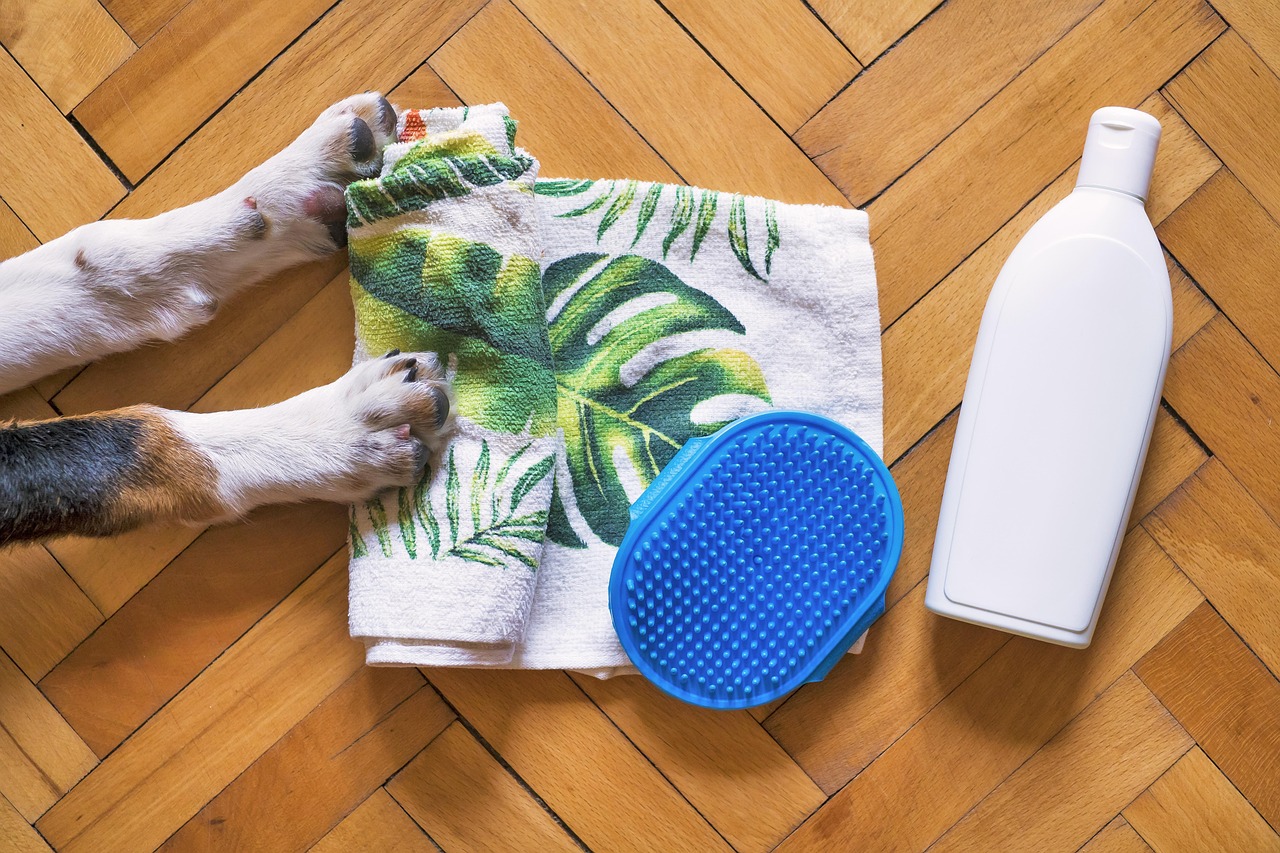
Rubber Brush: For most short-haired dogs, a rubber brush is hard to beat. It gently lifts loose hair through friction while giving the skin a light massage that many dogs enjoy. It’s also an excellent choice for dogs that are nervous about grooming since it feels much gentler than a traditional brush.
Bristle Brush: A soft bristle brush is another great everyday option. It removes loose hair, dust, and dander while helping distribute natural oils throughout the coat, leaving short-haired dogs looking smooth and shiny.
Long & Silky Single Coats
Common Breeds: Yorkshire Terriers, Maltese, Shih Tzus
Common Challenges
Dogs with long, silky coats usually have a single coat without a dense undercoat. Their hair is much like human hair—it tangles easily, picks up static, and can become matted if it’s not brushed regularly.
The good news is that these coats are usually easier to maintain than thick double coats, as long as you stay on top of your grooming routine. A few minutes of brushing each day is often much easier than dealing with stubborn mats later.
Recommended Tools
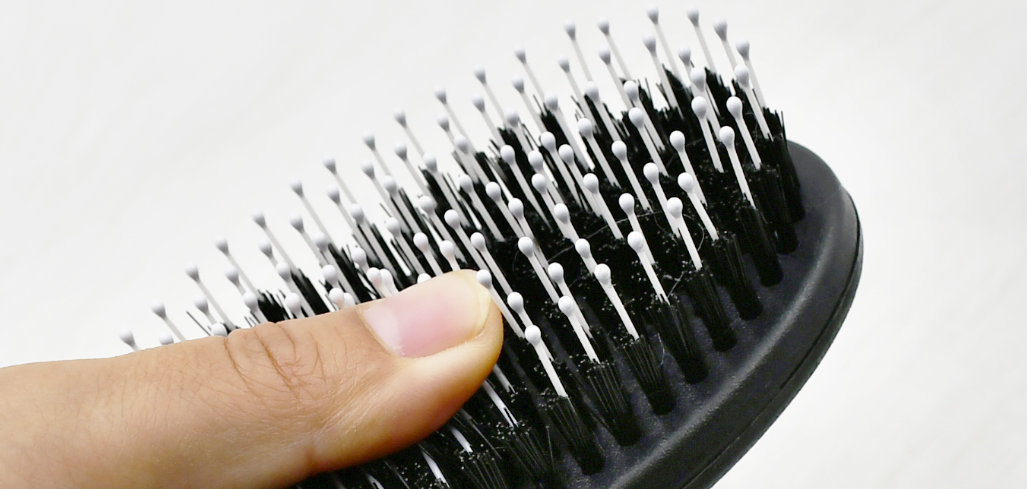
Pin Brush
A pin brush is the best everyday choice for most long-coated breeds. Look for one with smooth, rounded pin tips that glide through the coat without scratching the skin. Daily brushing helps keep the coat smooth, reduces tangles, and minimizes static.
Not sure whether you need a pin brush or a slicker brush? Check out our detailed guide on Slicker Brush vs. Pin Brush to learn when to use each one.
Metal Comb
A metal comb is the perfect follow-up tool after brushing. It helps remove small tangles and lets you check for hidden mats that a brush may have missed, especially behind the ears, under the legs, and around the collar.
Double Coats
Common Breeds: Siberian Huskies, Alaskan Malamutes, Golden Retrievers, Border Collies
Common Challenges
Double-coated dogs have two very different layers of fur, and each serves an important purpose.
The outer coat protects against dirt, moisture, and the weather, while the dense undercoat helps regulate body temperature throughout the year.
During seasonal shedding, large amounts of loose undercoat become trapped beneath the topcoat. If that dead hair isn’t removed regularly, it can build up quickly, leading to tangles, matting, and reduced airflow to the skin.
This is why double-coated breeds often seem to “explode” with fur during spring and fall.
Recommended Tools
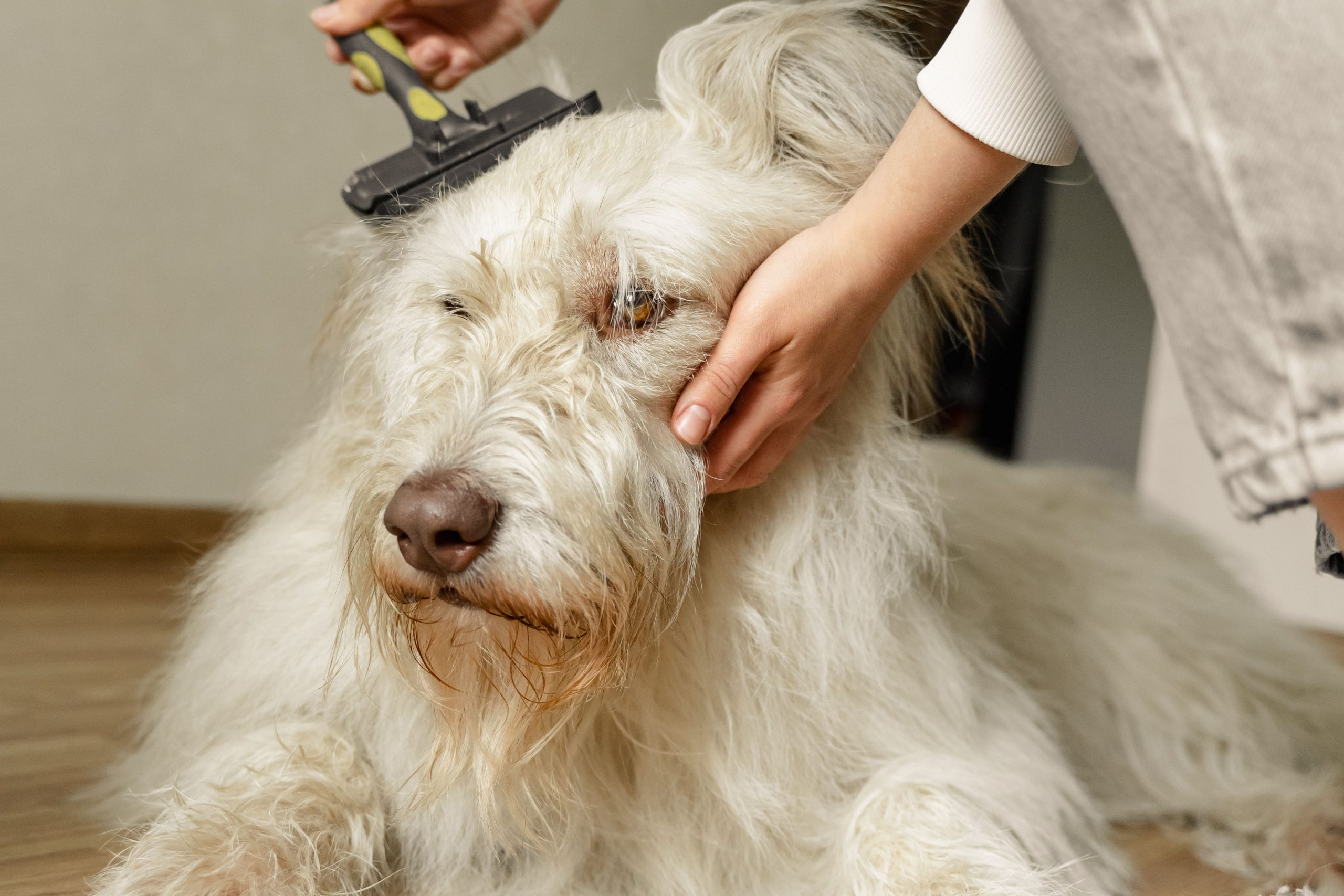
Undercoat Rake
An undercoat rake is designed to reach through the outer coat and remove loose undercoat without cutting healthy hair. Used regularly during shedding season, it helps reduce loose fur around the house while keeping the coat well ventilated.
Use gentle, even strokes, and avoid pressing too hard against the skin.
Slicker Brush
After removing the loose undercoat, a slicker brush helps smooth the outer coat and lift any remaining loose hairs. It’s also useful for preventing small tangles from developing into larger mats.
For many double-coated breeds, these two tools work best as a team rather than as substitutes for one another.
Curly Coats
Common Breeds: Poodles and Doodles (Poodle Mixes)
Common Challenges
Curly-coated dogs don’t shed the same way most other breeds do.
Instead of falling onto your furniture or the floor, loose hair becomes trapped within the curls. Over time, that trapped hair twists together and forms mats, especially in high-friction areas like the armpits, behind the ears, around the collar, and between the legs.
Because mats often develop underneath the outer layer, a coat can look fluffy on the surface while hiding tight tangles close to the skin.
That’s why regular brushing is so important for curly-coated breeds.
Recommended Tools
Slicker Brush
A slicker brush is usually the go-to tool for curly coats. Choose one with pins that are firm enough to reach through dense curls while still being gentle on the skin.
Brush one small section at a time, working all the way down to the skin instead of only brushing the surface.
Metal Comb
Once you’ve finished brushing, use a metal comb for the “comb test.”
If the comb slides smoothly from the roots to the ends without catching, you’ve successfully removed the tangles. If it snags, there’s still a hidden mat that needs more attention.
For curly-coated dogs, the comb is often the best way to confirm that the coat has been fully brushed rather than just fluffed.
How to Spot a High-Quality Dog Brush
Once you’ve figured out which type of brush your dog needs, the next step is choosing one that’s well made.
At first glance, many dog brushes look almost identical. In reality, small differences—such as the firmness of the pins, the quality of the materials, or the handle design—can make a big difference in comfort, durability, and grooming performance. Looking for a better understanding of brush quality? Discover how KUDI builds professional dog brushes for global pet brands.
Here’s what to look for when comparing brushes.
Slicker Brushes

Not all slicker brushes are built the same.
One of the biggest differences is pin firmness, which affects how the brush performs on different coat types.
Soft Pins
Soft-pin slicker brushes are ideal for puppies, cats, toy breeds, and dogs with fine or sensitive coats. They’re gentle on the skin and comfortable for everyday grooming, but they may not reach through thick coats or remove stubborn tangles very effectively.
Medium Pins
For most pet owners, a medium-pin slicker brush is the most versatile choice.
It offers a good balance between comfort and performance, making it suitable for routine grooming on a wide range of coat types. If you’re only planning to own one slicker brush, this is usually the safest option.
Firm Pins
Firm-pin slicker brushes are better suited for dense, coarse, or heavily matted coats. They provide more brushing power but also require a gentler touch, as excessive pressure can cause discomfort or lead to coat breakage.
For beginners, it’s generally better to let the brush do the work rather than pressing harder.
Cushioned Pads
Some slicker brushes feature a cushioned pad behind the pins.
Instead of staying completely rigid, the pins flex slightly as you brush. This helps reduce pressure on your dog’s skin, making the brush more forgiving—especially for sensitive dogs or owners who are still developing their grooming technique.
Pin Brushes
Most pin brushes look similar, but the handle and brush head can make a noticeable difference during longer grooming sessions.
Handle Materials
Wooden handles, particularly those made from beechwood or bamboo, are lightweight, comfortable to hold, and give the brush a natural, premium feel. Many pet owners also appreciate the warm grip and classic appearance of wood.
Because wood can absorb moisture, it’s best to store wooden brushes in a dry place to help prevent cracking over time.
Rubber or silicone handles provide a secure, non-slip grip, making them a practical choice if you groom your dog after bathing or simply prefer extra control during brushing.
If static is a concern, focus less on the handle material and more on the brush pins. Anti-static coated pins—or a quality grooming spray—are generally much more effective at reducing static and flyaway hair. If you’re looking for a brush that helps manage static while grooming, explore KUDI’s Pet Spray Slicker Brush, designed to combine everyday brushing with coat-conditioning care.
Flexible Brush Heads
Some premium pin brushes feature a flexible brush head that pivots slightly as it moves across the body.
Rather than staying flat, the head naturally follows your dog’s curves, allowing the pins to maintain more even contact with the coat. This makes brushing feel smoother and can help reduce wrist fatigue during longer grooming sessions.
It’s a feature many professional groomers appreciate, but beginners often find it especially easy to use.
Rubber Brushes
Rubber brushes are designed with comfort in mind.
Instead of relying on metal pins, they use flexible rubber teeth to lift loose hair while gently massaging the skin. That makes them one of the best choices for short-coated breeds, puppies, senior dogs, and pets that are nervous about grooming.
When choosing a rubber brush, pay attention to the quality of the material.
Soft, flexible rubber is generally more comfortable and conforms better to your dog’s body than hard plastic alternatives, which can feel rough against the skin.
The shape of the teeth matters as well. Rounded, flexible tips are usually gentler and do a better job of lifting loose hair without scratching or irritating sensitive skin.
A Few Features Worth Looking For
Beyond the brush type itself, a few extra details can make grooming easier and more comfortable for both you and your dog.
Look for features such as:
- Rounded pin tips that help protect sensitive skin.
- Ergonomic, non-slip handles that provide a comfortable grip.
- Durable materials that resist bending, cracking, or rust.
- Brush heads that are securely attached and won’t loosen over time.
- A size that’s appropriate for your dog’s body, allowing you to groom efficiently without missing hard-to-reach areas.
A quality brush doesn’t have to be the most expensive one on the shelf. What matters most is choosing a brush that’s well built, comfortable to use, and designed for your dog’s specific coat type.