Standing in a pet store aisle or scrolling through endless brush options online, it’s easy to feel unsure about what to choose. Slicker brushes and pin brushes may look similar at first glance, but they serve very different purposes in your pet’s grooming routine. Using the wrong brush won’t just make grooming less effective—it can also lead to tangles, discomfort, or coat damage over time.
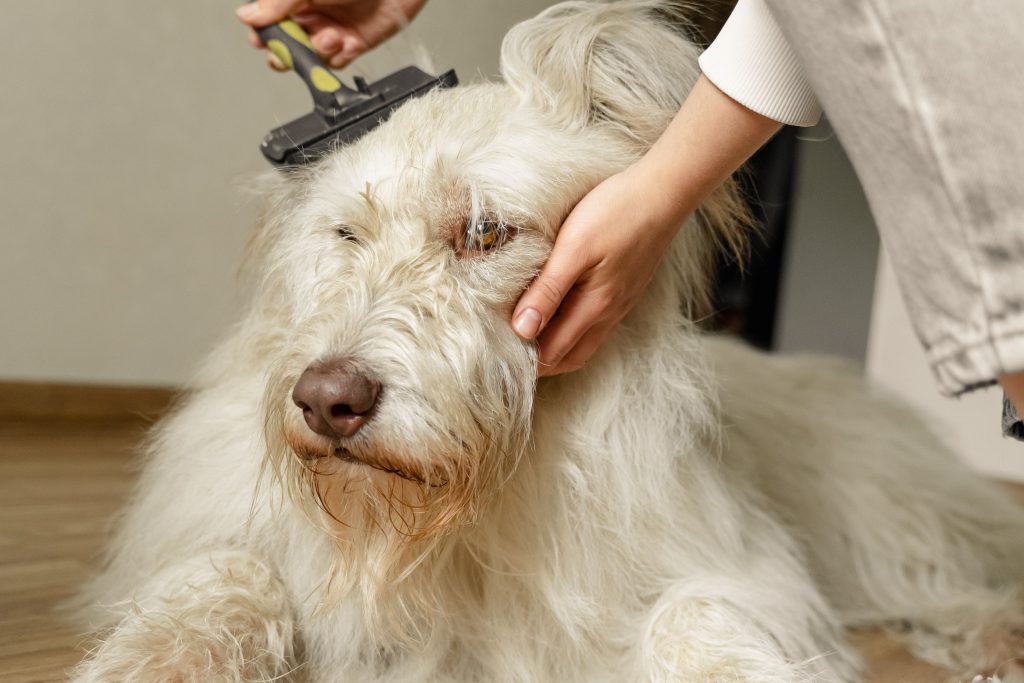
In most cases, these two brushes aren’t competitors. They work best together as part of a complete grooming routine. This article breaks down when to use each brush and how they support different coat types and grooming needs.
Differences Between Pin Brush and Slicker Brush
| Feature | Slicker Brush | Pin Brush |
|---|---|---|
| Main Purpose | Removes mats, tangles, and loose undercoat | Smooths and maintains coat |
| Coat Type | Thick, curly, double coats | Long, silky, or fine coats |
| Grooming Level | Deep grooming | Surface grooming |
| Comfort | Moderate (depends on use) | High |
| Best Use | Shedding, mat removal | Daily brushing, finishing |
What Is a Slicker Brush?
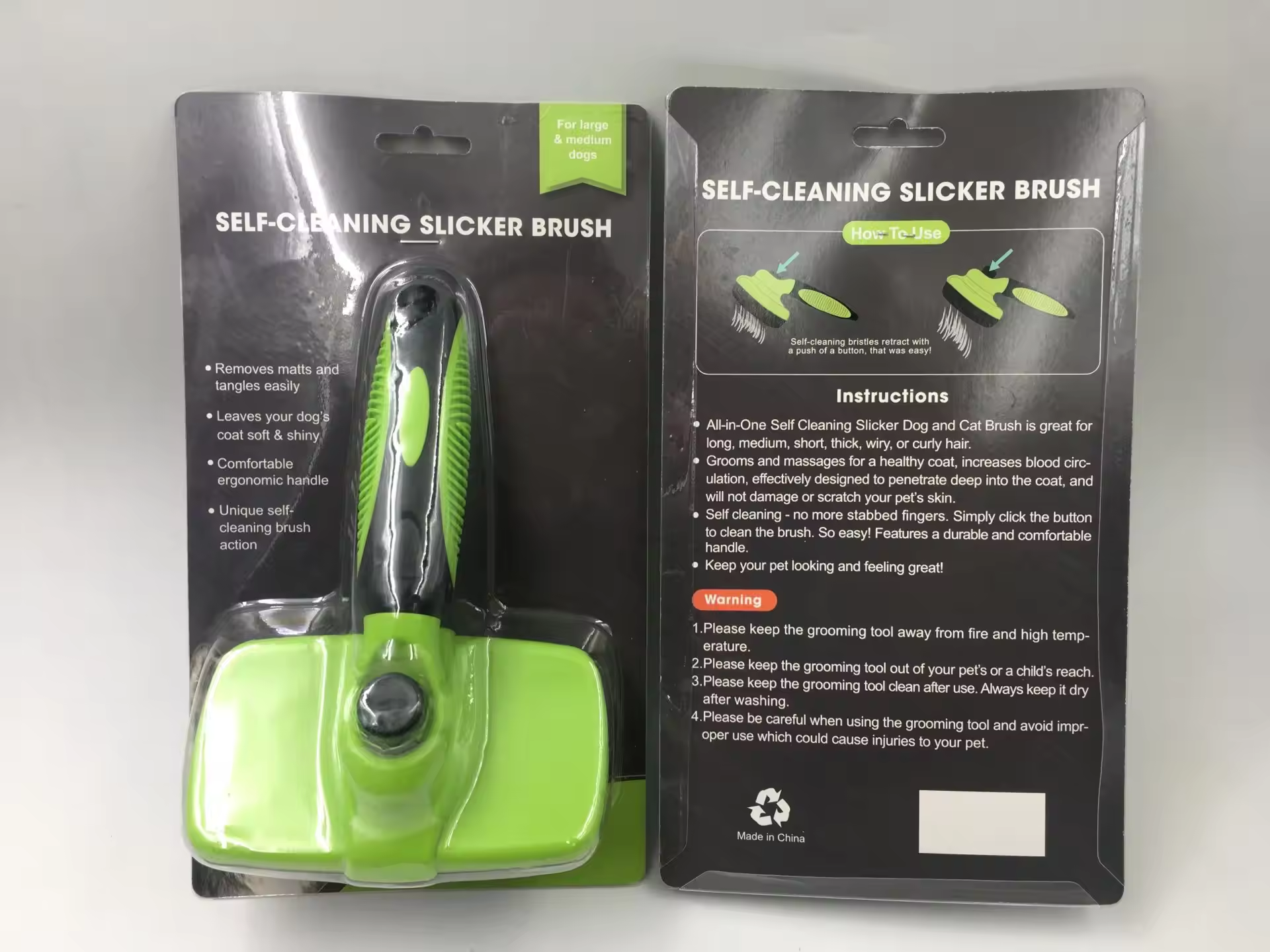
A slicker brush is designed to reach deeper into your pet’s coat and remove loose undercoat, tangles, and mats. It features fine, closely spaced wire bristles that help lift out dead hair and loosen knots close to the skin. This makes it especially useful for dogs that shed heavily or have thick coats that tend to mat.
Best for:
- Double-coated breeds
- Curly or dense coats
- Heavy shedding periods
Examples include Poodles, Goldendoodles, Golden Retrievers, Samoyeds, and long-haired cats.
Important note:
Slicker brushes should always be used with light pressure. Pressing too hard can irritate the skin.
What Is a Pin Brush?
The pin brush traces its origins to the human hairbrush. Early versions were adapted from traditional cushion hairbrushes before being refined for grooming long-coated dogs. Today, the modern pin brush remains the preferred finishing tool for silky and flowing coats.
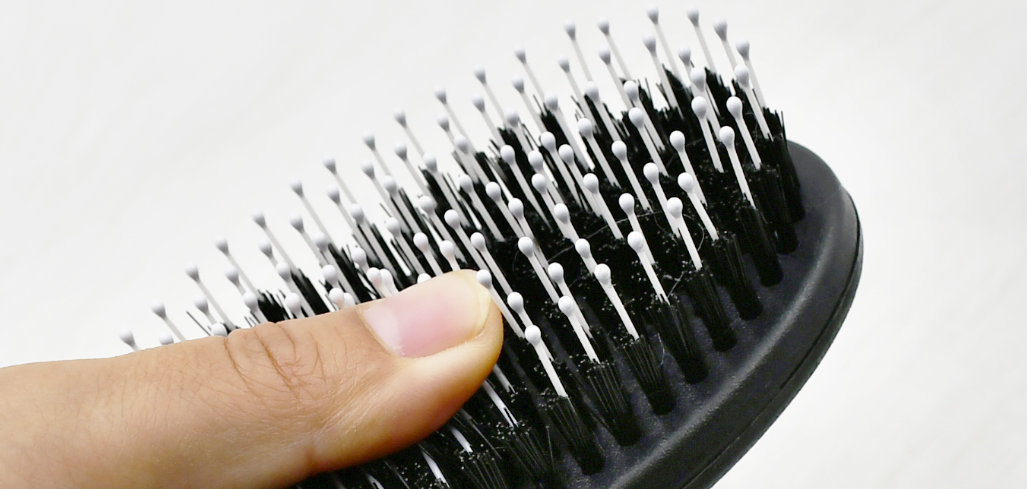
It has long, widely spaced pins with rounded tips that glide through the top layer of the coat.
Unlike slicker brushes, it does not reach deep into the undercoat. Instead, it helps smooth the coat, remove light debris, and keep fur looking soft and tidy.
Best for:
- Long, silky coats
- Fine or straight hair
- Puppies and sensitive pets
Examples include Yorkshire Terriers, Maltese, Shih Tzus, and Afghan Hounds.
Limitation:
A pin brush is not designed to remove mats or heavy tangles. If used alone on dense coats, knots can build up underneath the surface.
When Should You Use Each Brush?
Use a slicker brush when:
- Your pet has mats or tangles
- It’s shedding season
- The coat feels dense or heavy
Use a pin brush when:
- You’re doing daily grooming
- You want to smooth and finish the coat
- Your pet has a long or delicate coat
For most dogs:
You will get the best results by using both.
How Professional Groomers Use Them Together
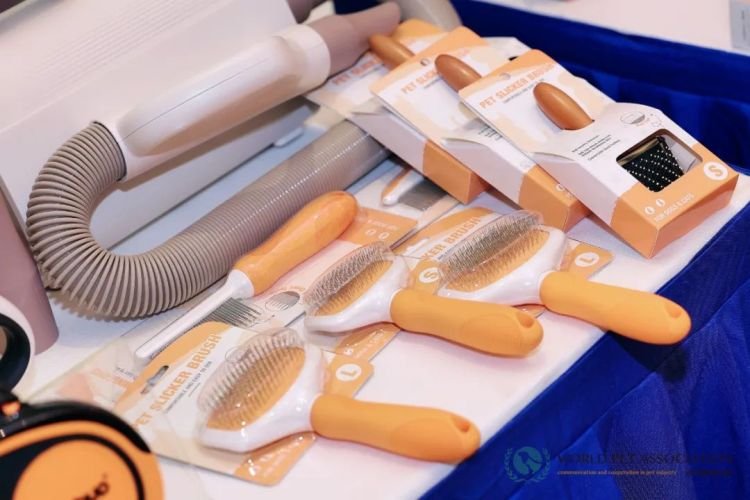
Professional groomers rarely rely on a single brush.
A simple routine usually looks like this:
Step 1: Pin brush
Used first to smooth the coat and identify tangles.
Step 2: Slicker brush
Used to remove mats, loose undercoat, and deeper knots.
Step 3: Metal comb
Used to check for any remaining tangles and ensure the coat is fully detangled.
If the comb glides through easily, the coat is properly groomed.
Common Mistakes to Avoid
- Using a slicker brush with too much pressure
- Relying only on a pin brush for thick coats
- Brushing heavily matted fur without detangling first
- Skipping regular grooming sessions
The difference between a pin brush and a slicker brush is not about which one is better—it’s about using the right tool for the right job. Pin brushes are ideal for maintenance and finishing, while slicker brushes handle deeper grooming tasks like shedding and mat removal. Most pet owners will get the best results by using both as part of a simple, consistent grooming routine.