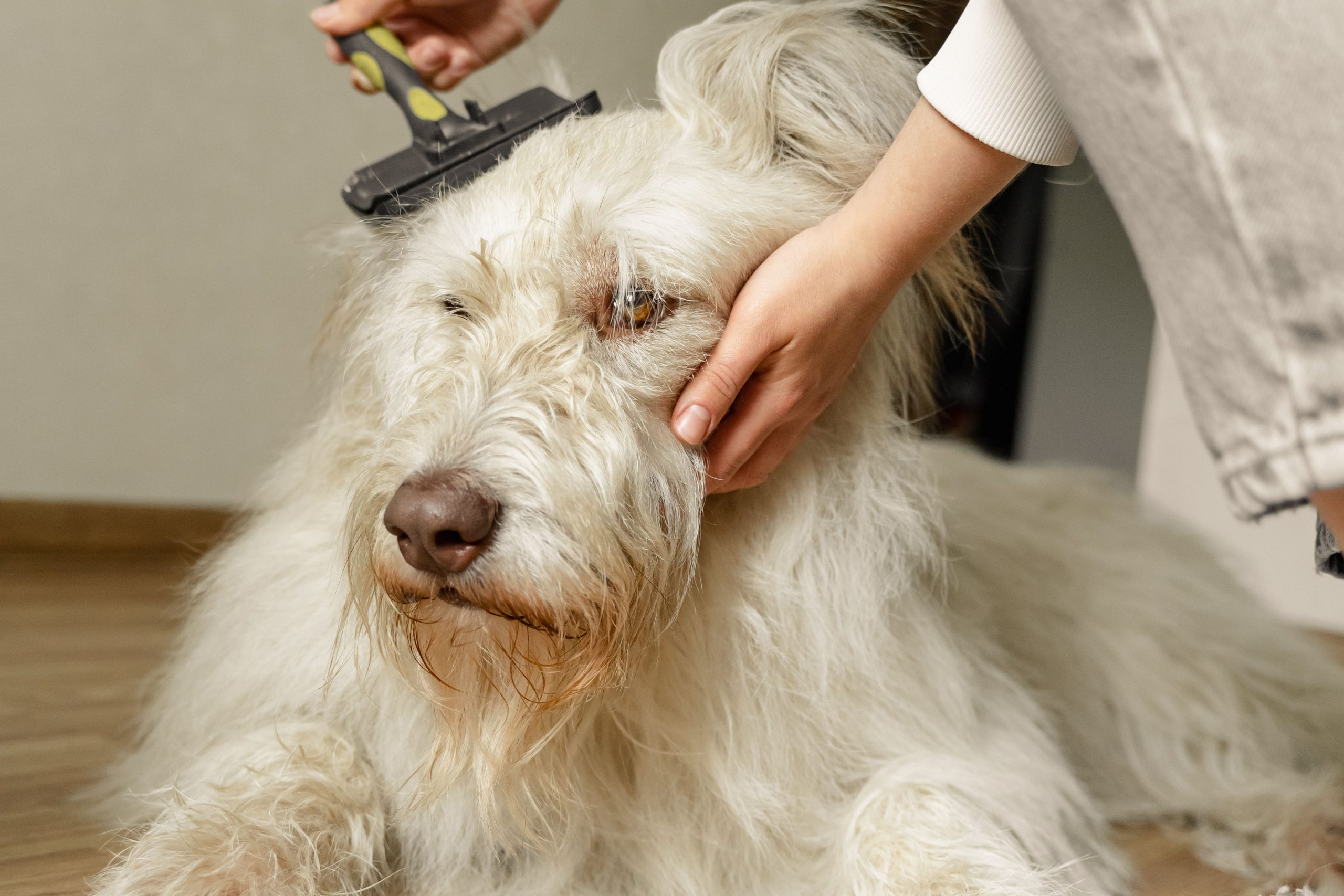
Brushing your dog is more than just a routine. It is also a great way to bond with your dog. The right techniques can help prevent tangles, support healthy skin, and even help you notice early signs of health issues. This article brings together expert advice and real grooming experience to focus on one thing: how to actually do it right.
Preparing for Brushing
Good grooming always starts with good preparation. This includes not only tools, but also the right environment and mindset, so your dog feels safe and relaxed.
Choose a calm, comfortable space
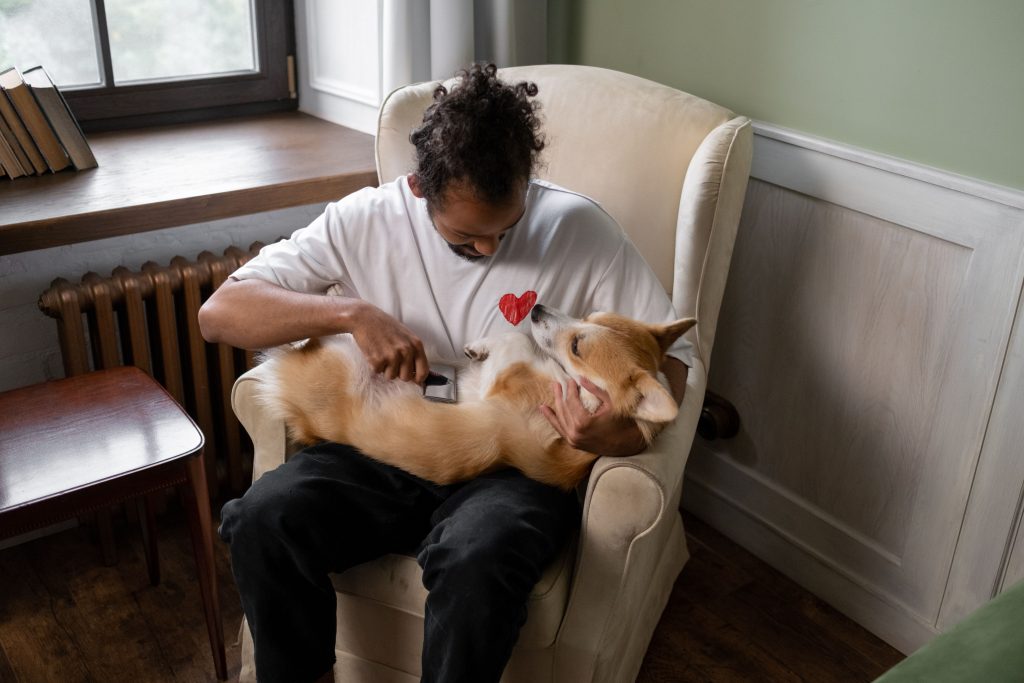
Pick a quiet area with good lighting where your dog already feels at ease. This could be the living room carpet, a favorite mat, or even your lap. Good lighting is important so you can clearly see the skin and coat condition.
Help your dog relax first
Before you start, spend a few minutes petting and calming your dog with a soft voice. You can also prepare some treats to reward good behavior. This helps your dog associate brushing with something positive.
Check your tools
Make sure you have the right brush for your dog’s coat type and length. This may include a slicker brush, comb, flea comb, bristle brush, or massage brush. If you’re unsure, check a guide on choosing the right dog brush.
Get in the right mindset
Start grooming when you have enough time and are in a calm mood. Your emotions can affect your dog’s behavior. Think of brushing as bonding time, not a chore.
Step-by-Step Brushing Process
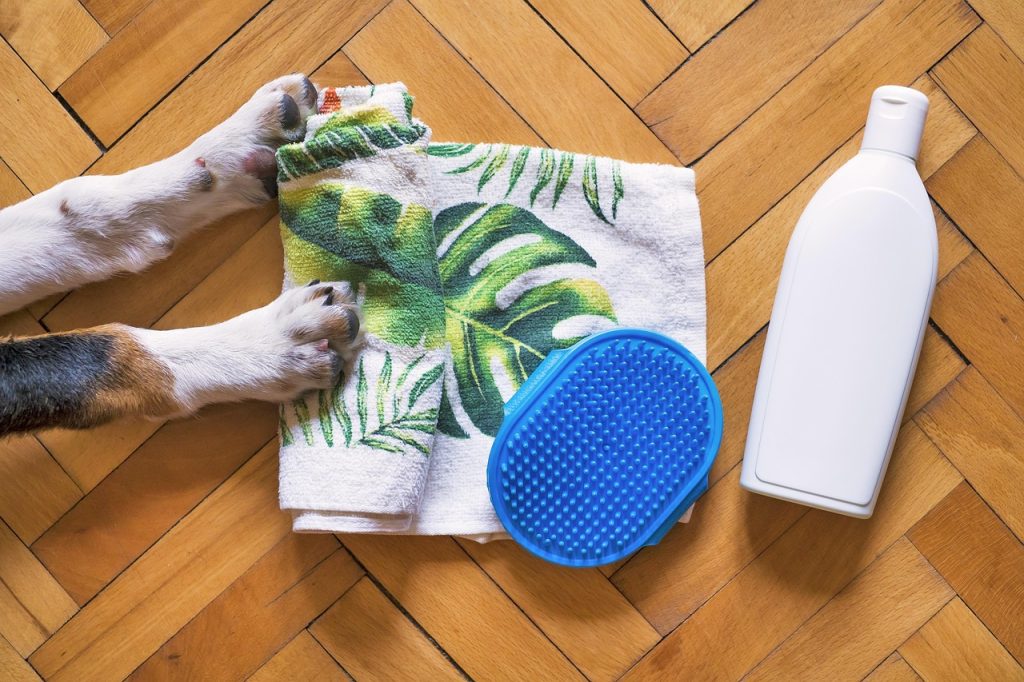
Never pull on your dog’s hair too hard. Start with easier areas and move toward more sensitive spots.
Work from head to tail
Start at the neck, then move to the back, sides, belly, legs, and finally the head and ears. This order helps your dog get used to the process and reduces stress.
Brush in layers (especially for long or double coats)
Use your hand to part the top coat so you can reach the undercoat and skin. Brush from the roots toward the tips, following hair growth. The brush should reach the skin, but never scratch it. If you only brush the surface, loose undercoat and mats can build up and eventually cause skin problems.
Two-step check: brush first, then comb
Start with a slicker brush or de-shedding tool to remove loose hair and light tangles. Then use a comb to check your work. If the comb gets stuck in an area, that means there is still a knot there. Go back with the slicker brush until the comb moves smoothly through the coat.
How to Use Different Types of Brushes
Each brush has a different purpose and technique. Using them correctly makes grooming much easier.
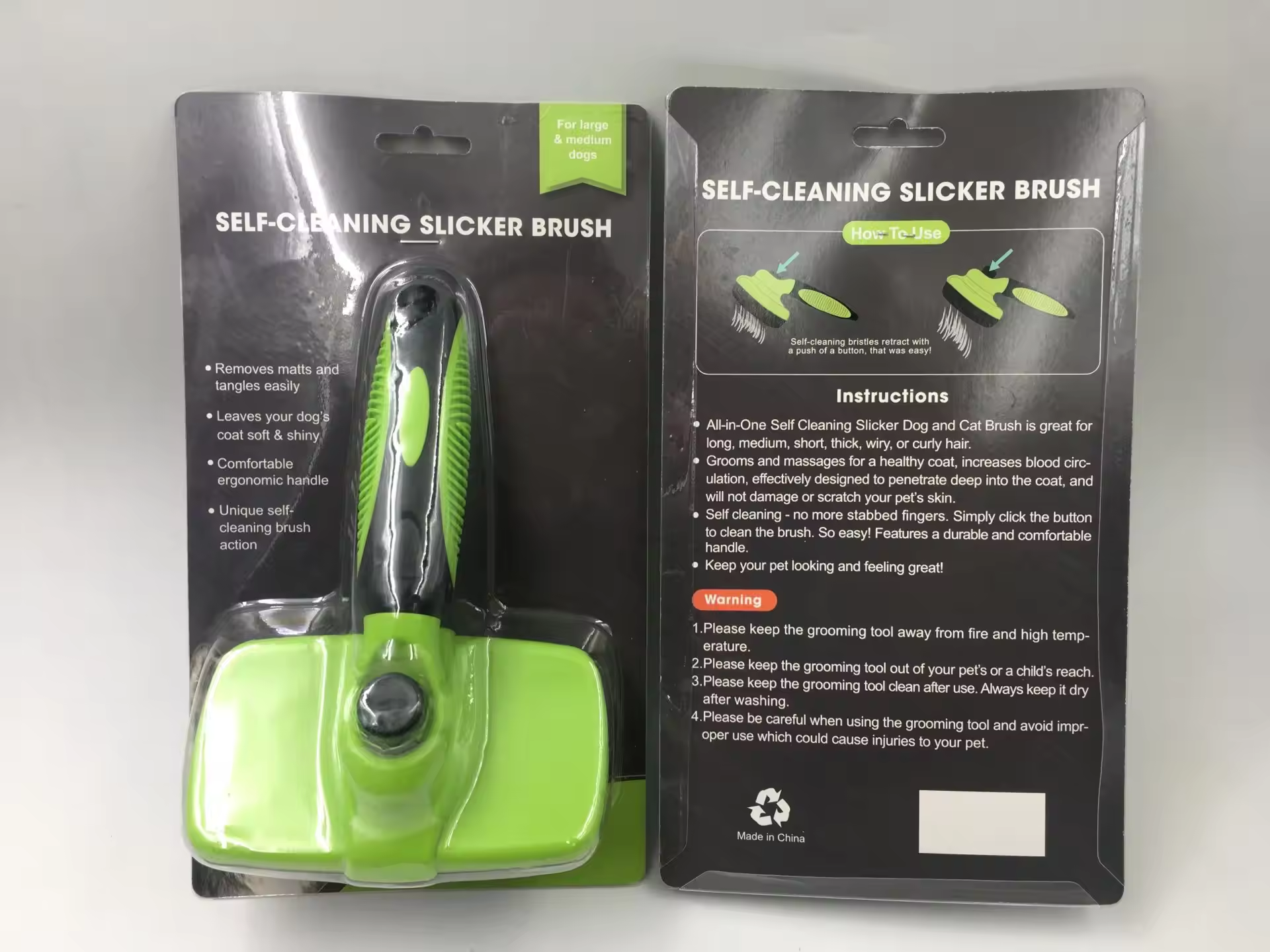
Slicker Brush
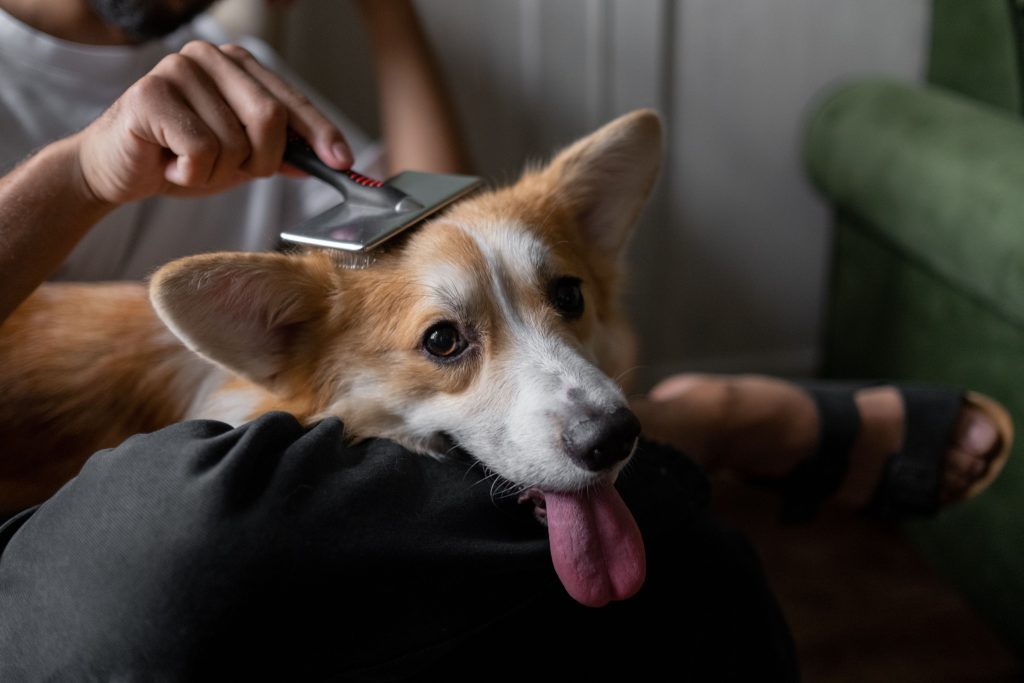
How to use it:
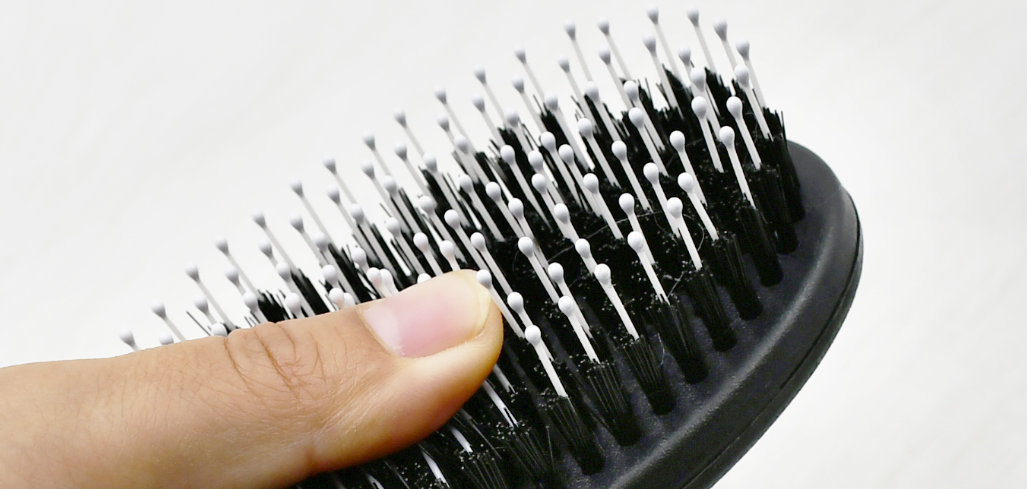
Use short, gentle strokes, working on small sections of fur at a time. Keep the brush flat and parallel to your dog’s skin. Do not press the pins straight into the skin.
Pressure control:
Lightly test the brush on the back of your hand first. Dog skin is much more sensitive than human skin, so the pressure should be very soft.
Main purpose:
Removes loose hair, helps detangle light knots, and fluffs up the coat. It’s also useful when blow-drying to add volume.
Pin Brush
How to use it:
Brush slowly and smoothly in the direction of hair growth. For thick coats, lift the hair in layers and brush section by section instead of going straight to the roots all at once.
Pressure control:
Do not pull quickly or forcefully. The pins should glide along the coat, not dig into it. If you find small tangles, loosen them first with your hand or a slicker brush.
Main purpose:
Helps maintain a smooth, neat coat in medium to long-haired dogs and keeps the fur looking natural and clean.
Flea Comb
How to use it:
Because the teeth are very close together, brush slowly and gently. You can keep a bowl of soapy water nearby to dip any fleas or dirt you remove.
Main purpose:
Used to physically remove fleas and clean small areas like around the eyes or mouth where dirt and tiny knots can build up.
Bristle Brush
How to use it:
Brush in the direction of hair growth using steady, even strokes. For short-haired dogs, never brush against the grain as it may irritate the skin.
Main purpose:
Spreads natural oils across the coat, making it shinier while also gently massaging the skin and improving circulation.
Massage Brush
How to use it:
Use gentle circular motions or soft strokes in areas your dog enjoys being touched.
Main purpose:
Mainly for relaxation and bonding. It helps improve circulation but is not effective for removing knots.
Handling Special Coat Situations
Some areas or coat conditions need extra care.
Dealing with stubborn mats
Light tangles:
Hold the hair at the base to avoid pulling the skin. Gently work from the edges of the knot inward using a slicker brush or comb.
Severe mats:
If the mat is tight and close to the skin, do not pull or try to cut it with household scissors. This can easily injure your dog. It’s safer to seek help from a professional groomer or use proper de-matting tools or pet clippers.
Sensitive areas
Face and behind the ears:
These areas have thin skin and are very sensitive. Use a small comb or flea comb and work very gently.
Armpits and groin area:
These spots are prone to friction and tangles. Move your dog carefully and brush slowly in layers.
Watch your dog’s reactions
Pay close attention to your dog’s body language. Mild resistance or slight movement may just mean they’re not used to brushing yet. But signs like shaking, heavy panting, or fearful eyes may indicate pain or stress. If that happens, stop immediately and adjust your technique or seek professional help.
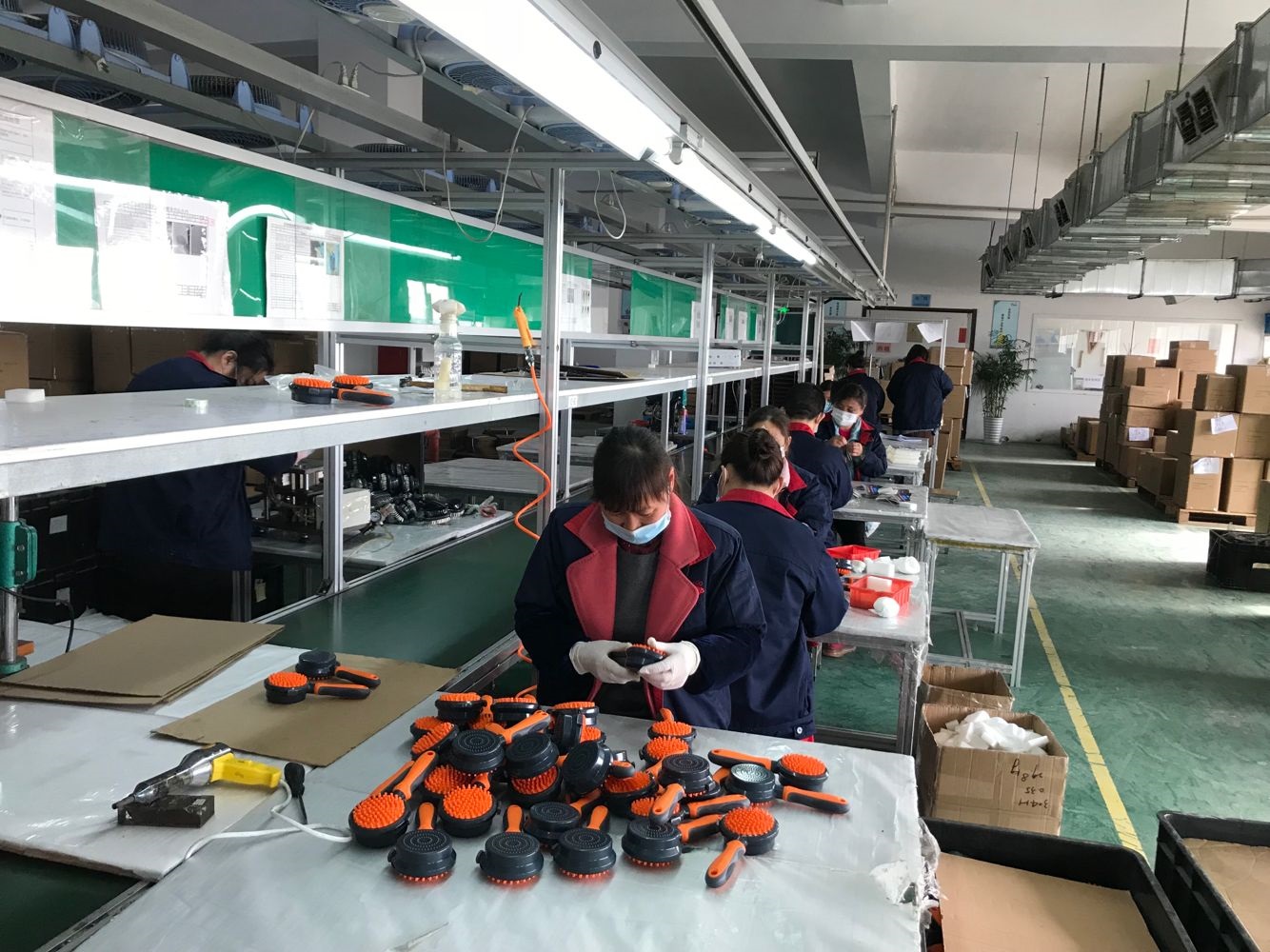
KUDI dog brushes are designed to make grooming easier and more comfortable for both pets and owners. Built for daily use, they help remove loose hair, reduce tangles, and keep your dog’s coat healthy. Behind the KUDI grooming tools is a professional dog brush factory focused on creating reliable, easy-to-use products for pet care brands and distributors worldwide.