When you’re looking into pet grooming tools, you might wonder: when did dog hair care really begin? And what’s the story behind dog brushes? Let’s dive into historical records to explore their origins and development.
Ancient Origins of Coat Care
While there’s no definitive evidence of when the very first dog brush appeared, archaeologists generally agree that humans started helping dogs clean their coats early on, right after dogs were domesticated.
Evidence from domestic dog sites dating back about 14,000 years ago shows that dogs were already important members of human society. For dogs living closely with people for a long time, humans would help remove dirt, plant debris, and parasites by hand-grooming, wiping with cloth, or picking out foreign objects. During this period, hair care was more about hygiene than beauty.
By the time of ancient Egypt, Greece, and Rome, dogs weren’t just for hunting and guarding; they also became symbols of status and importance.
Some historical documents and murals suggest that:
•Hunting dogs were cleaned regularly.
•Noble dogs received special care.
•Long-haired breeds started getting more attention for their coats.
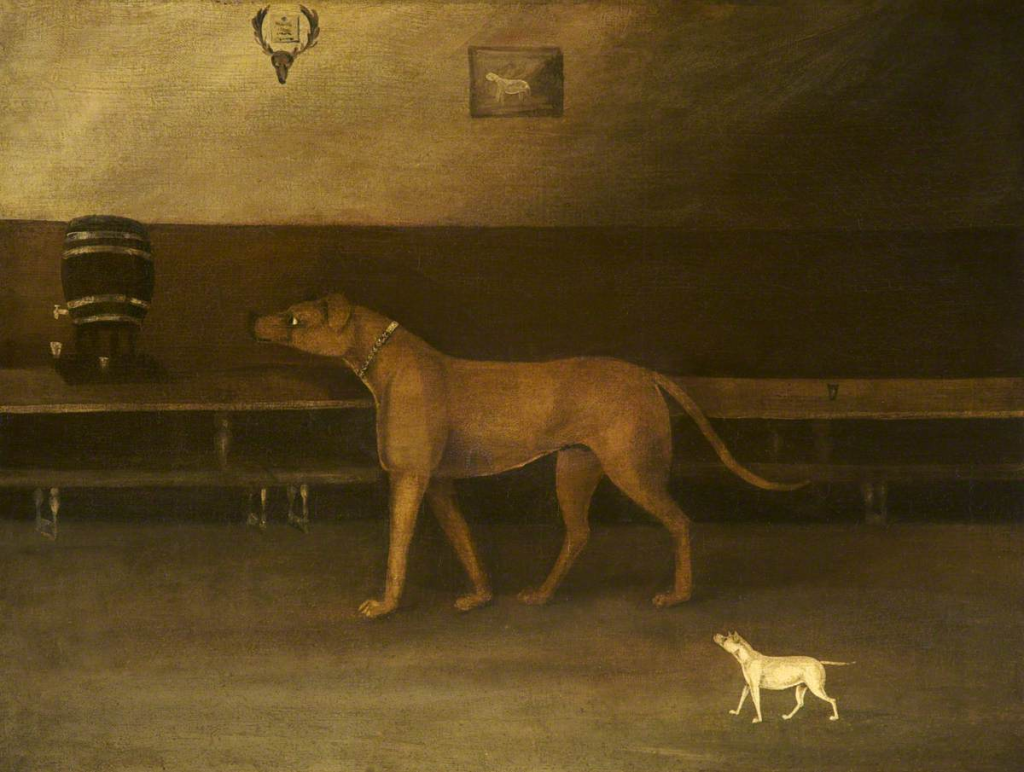
At this time, grooming still involved using human combs and brushes, but people were already realizing that different animals’ coats needed different types of care.
The Era of Shared Brushes
Before the 18th century, aristocratic dog owners in Europe began using household brushes or wooden-handled combs to groom their beloved pets. However, dog fur has a different structure (double coats, guard hairs, and undercoat) than human hair, which often led to painful pulling and damage during grooming. This laid the groundwork for the future invention of specialized dog brushes.
The Emergence of Dog-Specific Brushes
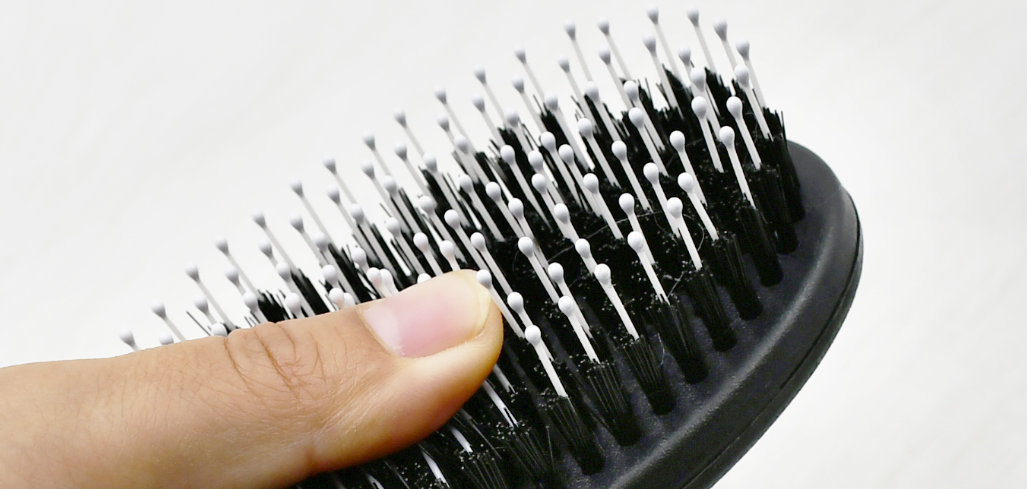
In the 19th century Victorian era, as long-haired and curly-haired breeds like Poodles and Yorkshire Terriers became popular, regular brushes couldn’t handle complex tangles anymore. Pin brushes and shedding rakes emerged as professional pet grooming tools.
Many dog care books were published in the late 19th century, offering general advice and techniques for bathing dogs to keep them looking tidy. John Meyrick’s House Dogs and Sporting Dogs (1861), Vero Shaw’s The Book of the Dog (1879), and G.O. Shields’ The American Book of the Dog (1891) were all written during this period.
Upgrades in Dog Brush Materials
In the early 20th century, stainless steel replaced rust-prone iron as the main material for comb teeth, solving hygiene and durability issues. Handles gradually incorporated wood or early plastics for better ergonomics, meeting the demands of long grooming sessions.
Specialization of Dog Brush Types
After the 1990s, with the boom in the pet economy, dog combs evolved from simple grooming tools into a multi-functional system for de-shedding, de-matting, massaging, and flea removal.

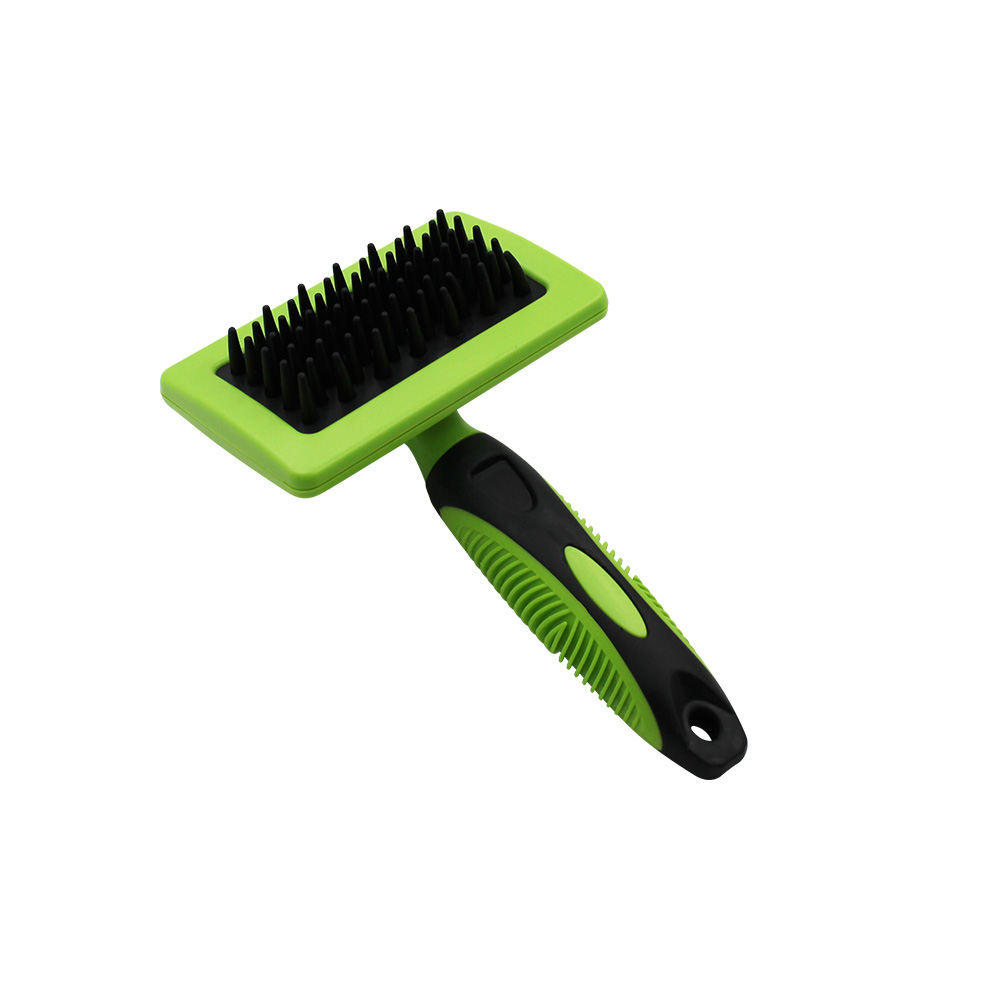
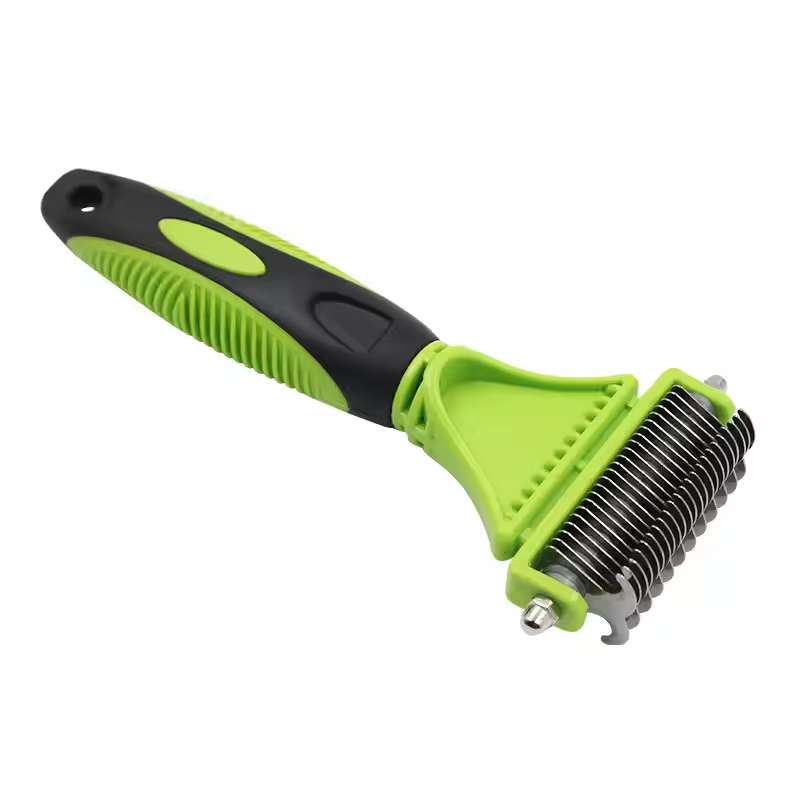
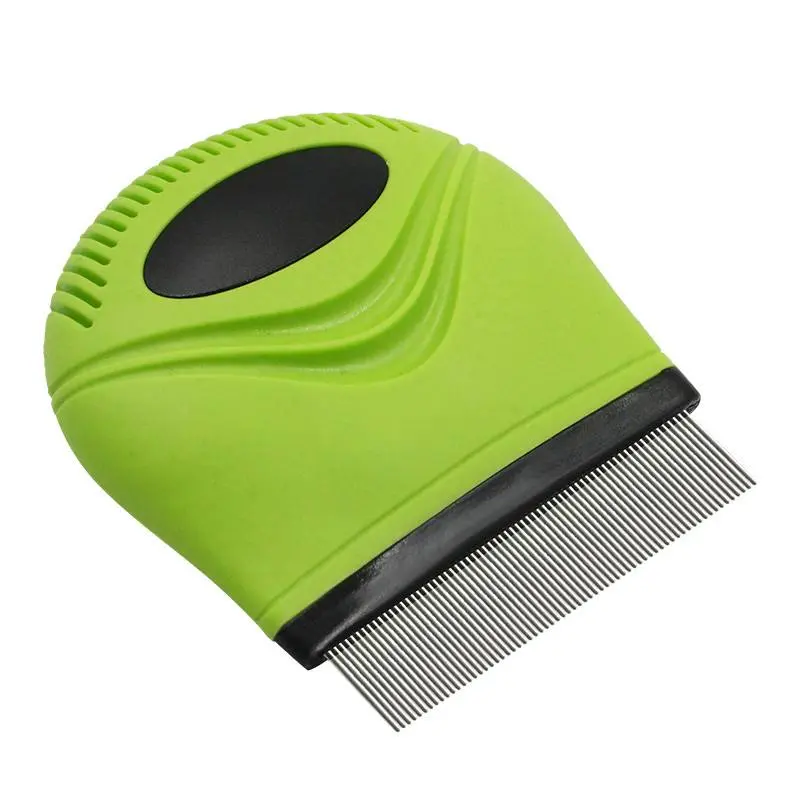
flea removal
The Rise of Dog Brush Manufacturers
As dog grooming tools became more specialized in the late 19th and early 20th centuries, a small number of manufacturers began to focus specifically on animal grooming equipment rather than general household tools. Early industrial brush makers such as Fuller Brush Company (1906) helped establish early brush manufacturing techniques that later influenced grooming tool development.
Early pet grooming products were often produced by companies that originally made horse brushes, leather care tools, or veterinary supplies. Over time, manufacturers such as Wahl Clipper Corporation (1919) and Andis Company (1922) gradually expanded from professional clipping equipment into broader grooming tool lines, including combs and brushes, as demand for companion animal care increased.
By the mid-20th century, grooming tools such as pin brushes, slicker brushes, and combs were being produced at scale by professional pet supply companies. In parallel, regional manufacturers like Taiwan Pet Comb (1969) in Taiwan began specializing in dedicated pet grooming tools, marking a shift toward more structured and export-oriented production systems.
From the late 20th century onward, innovation-driven companies such as Chris Christensen Systems (1996) helped define modern professional grooming standards, particularly in show dog grooming, while FURminator (1990s) introduced a new category of de-shedding tools that changed how undercoat care was performed.
In the modern era, dog brush manufacturing has become a globalized industry. Many well-known pet grooming brands design products in the United States and Europe, while large-scale OEM and ODM manufacturers such as Suzhou ShengKang (2001) in China handle mass production. This global supply chain has enabled rapid innovation, cost efficiency, and a wide variety of grooming tools for different coat types and grooming needs.
Technological Integration
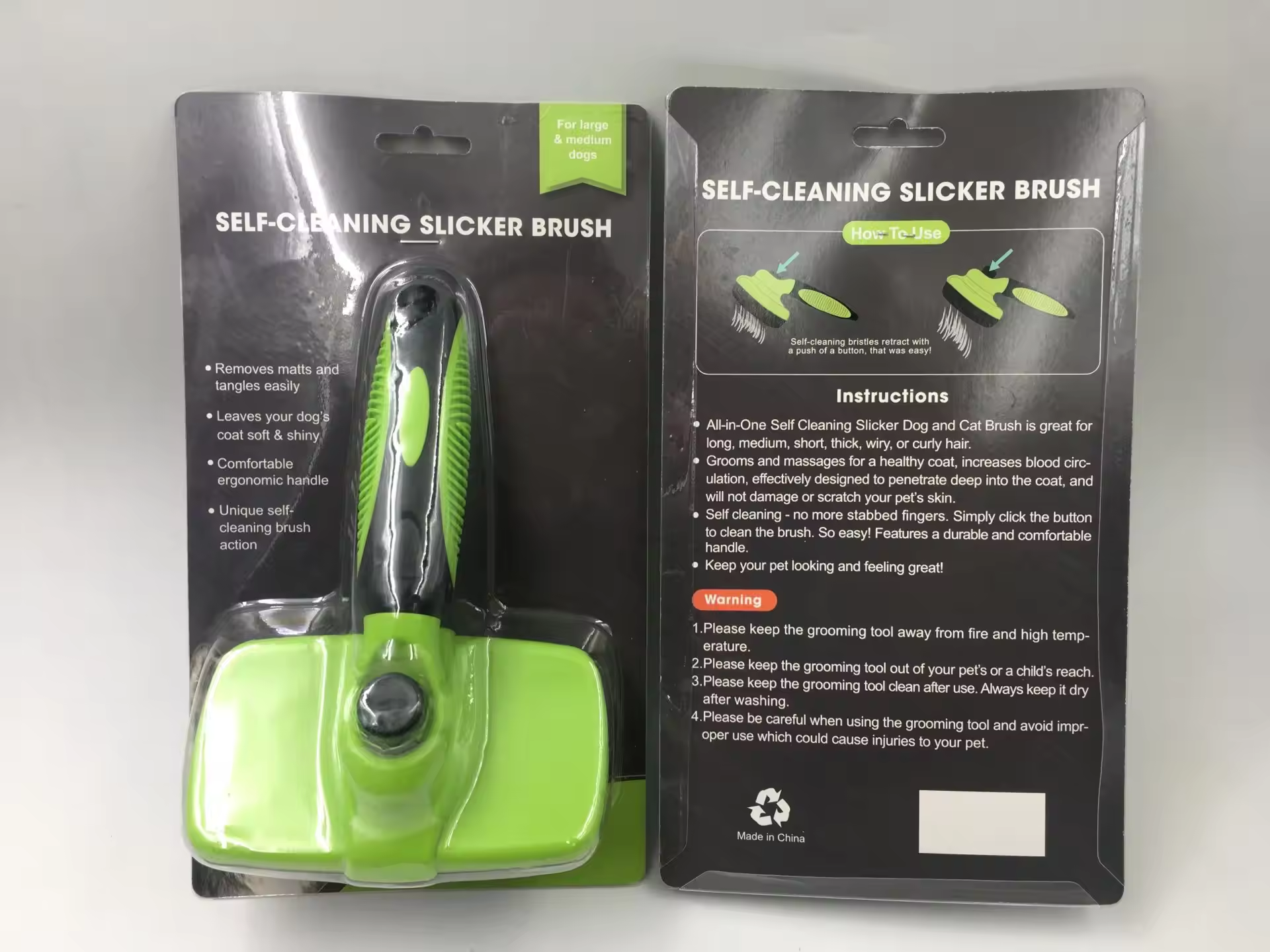
Since the 21st century, innovations like dog vacuum brushes (combining grooming with hair collection), silicone massage brushes, and self-cleaning one-button hair release designs have appeared. Materials increasingly include antibacterial plastics and TPE soft rubber, emphasizing pet comfort and safety.
Industry Standardization
After 2000, manufacturing powerhouses like China became major production bases, with products reaching global markets through OEM. This led to a complete industry chain, ranging from basic entry-level models to high-end professional grooming tools.
In short, the evolution of dog combs, from
“borrowing human tools” to “specialized tools for dogs,” and now to “technological and humane designs,” reflects a shift in human pet care from basic survival needs to emotional well-being and health concerns.